
I apologize for the semi “clickbait” headline, but this was a genuine thought I had while walking through New York City’s Grand Central Station last week on my trip through the Northeast’s twin pillars (NYC and Boston). As I was there as a mere tourist, it is probably uncharitable for me to complain about the average person’s indifference to beauty, but it is still absolutely baffling to me how people can be glued to their phones or caught up in their own world while walking through architectural marvels.
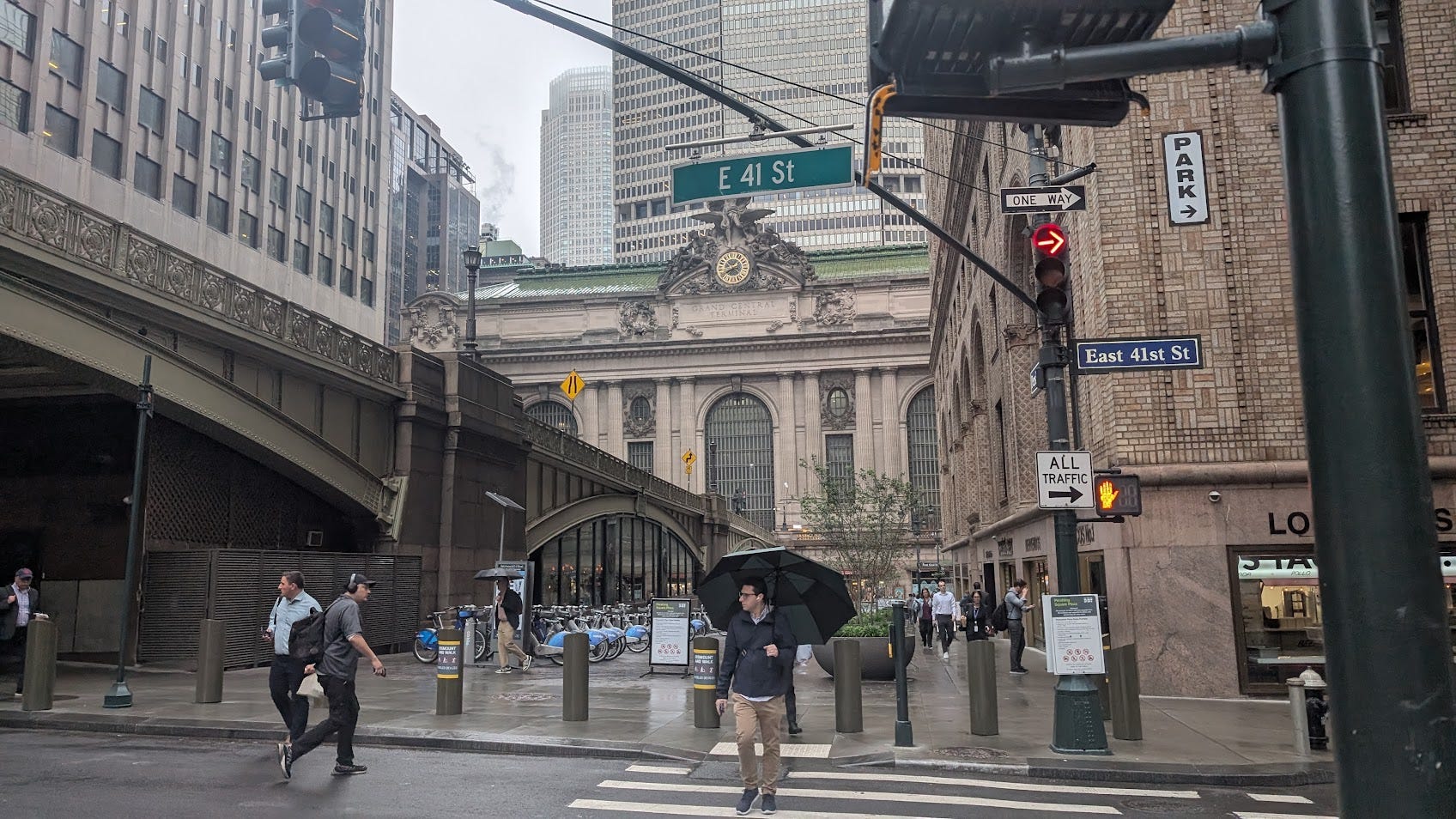
Why Beauty Will Not Save the World
If you ask five urbanists for their most important metric for urban renewal you will get ten different answers. One such strain of thought is that we need to place beauty above all other factors because (as the great Dostoyevsky said) “beauty will save the world.”
Unfortunately, I am no longer convinced that that is the case. Why? Because we had several thousands years of beauty, and mankind’s instincts have been to prioritize comfort and wealth over beauty. Without making a deep philosophical argument about the different shifts in Western society post WW1 and WW2, I think it is fairly self evident in our newer building styles that cost is king and beauty as an intrinsic metric is essentially absent.
Even in a newer country like the United States (compared to the old and famous states of Europe and the Near East), the beauty inherent to older architecture is readily apparent.
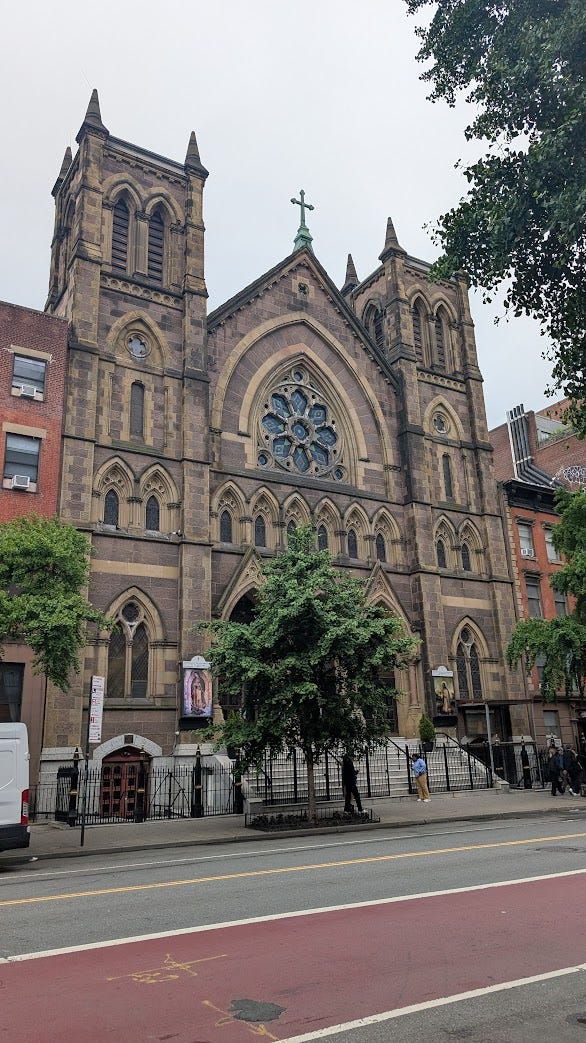
If beauty could *save the world* we would not create schools of developers who build cookie cutter cul-de-sacs and five over one mixed use buildings that look copy pasted all over our beautiful country. The death of regional architecture is not as obvious in the Northeast’s great cities as it is in the Southeast, but the ever-creeping new school minimalism is aiming to replace the art deco/gothic/dutch architectural styles of NYC.
Look at the new World Trade Center station created by the Porth Authority Trans-Hudson (PATH). While it certainly casts a striking and memorable shape and is extremely clean on the inside, it lacks the charm and depth of the ageing Grand Central Station.
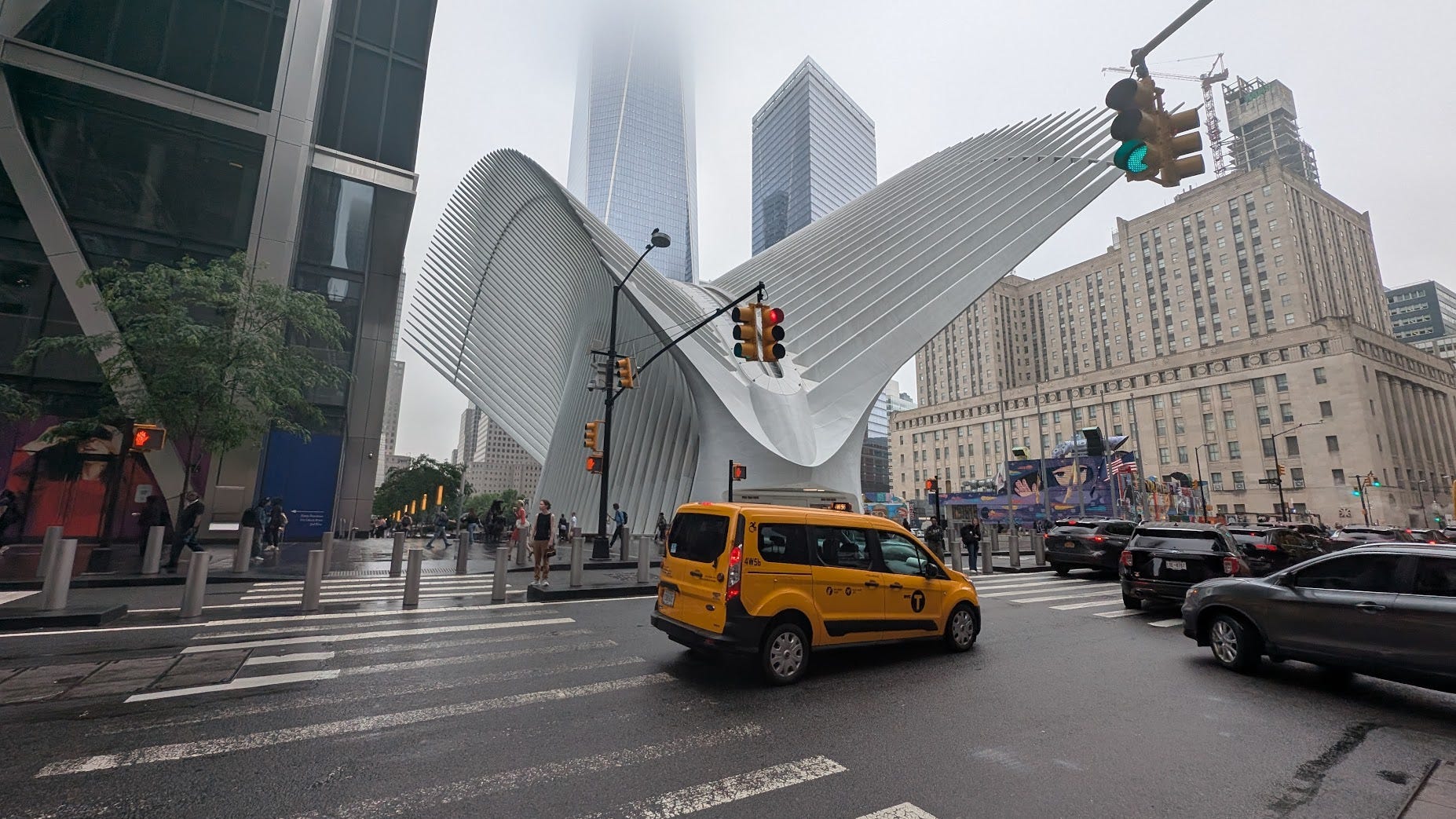
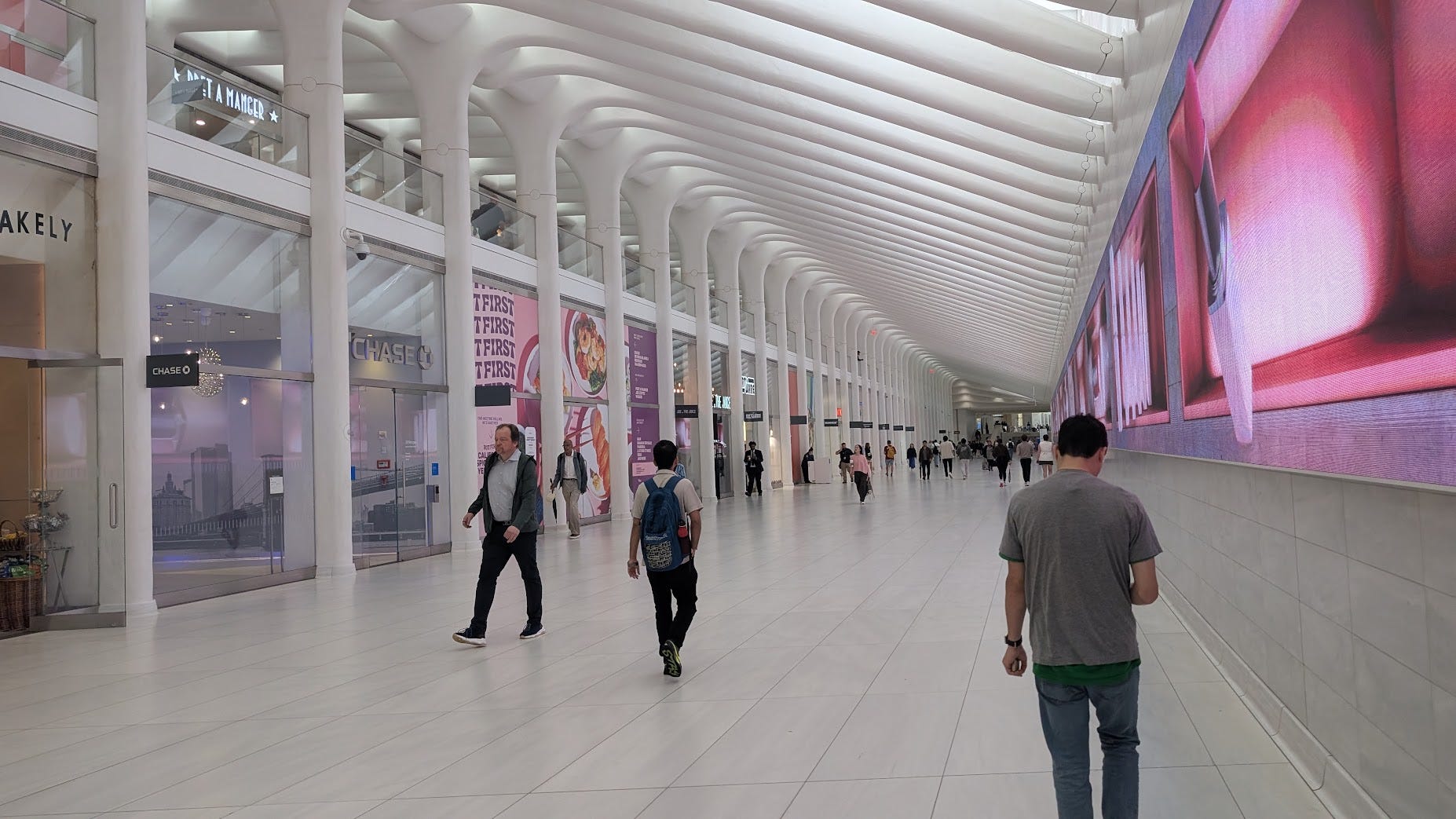
While no expense was spared for this station ($4bn) that serves 18 million+ passengers per year, the design does nothing to evoke the city it serves.
In all of the cities I visited, beautiful, old buildings served as the cornerstones of neighborhoods especially in New England. While Manhattan added tons of density via taller glass skyscrapers, the neighborhoods of Boston were built around gorgeous, older midrise buildings.
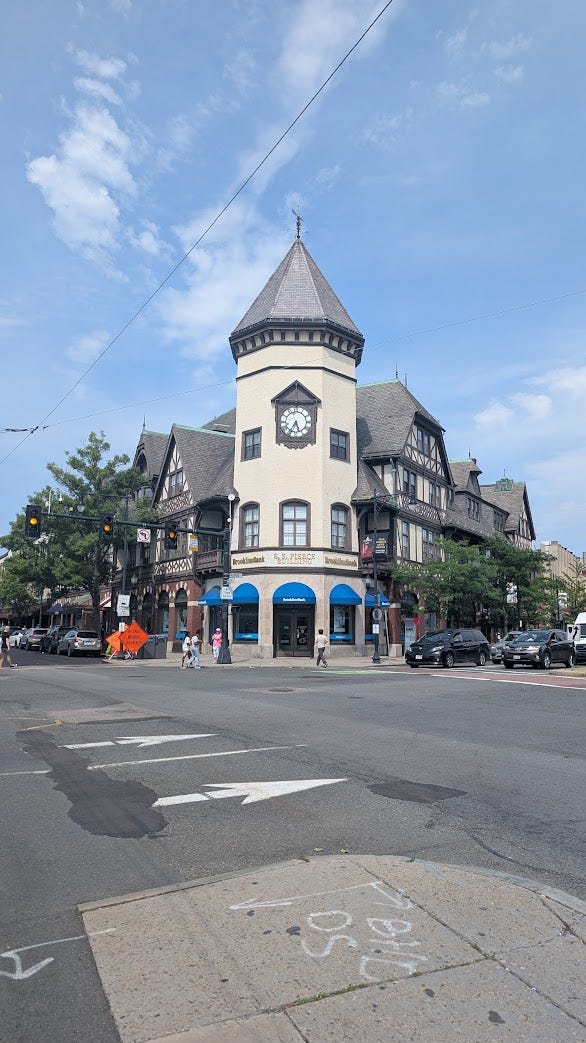
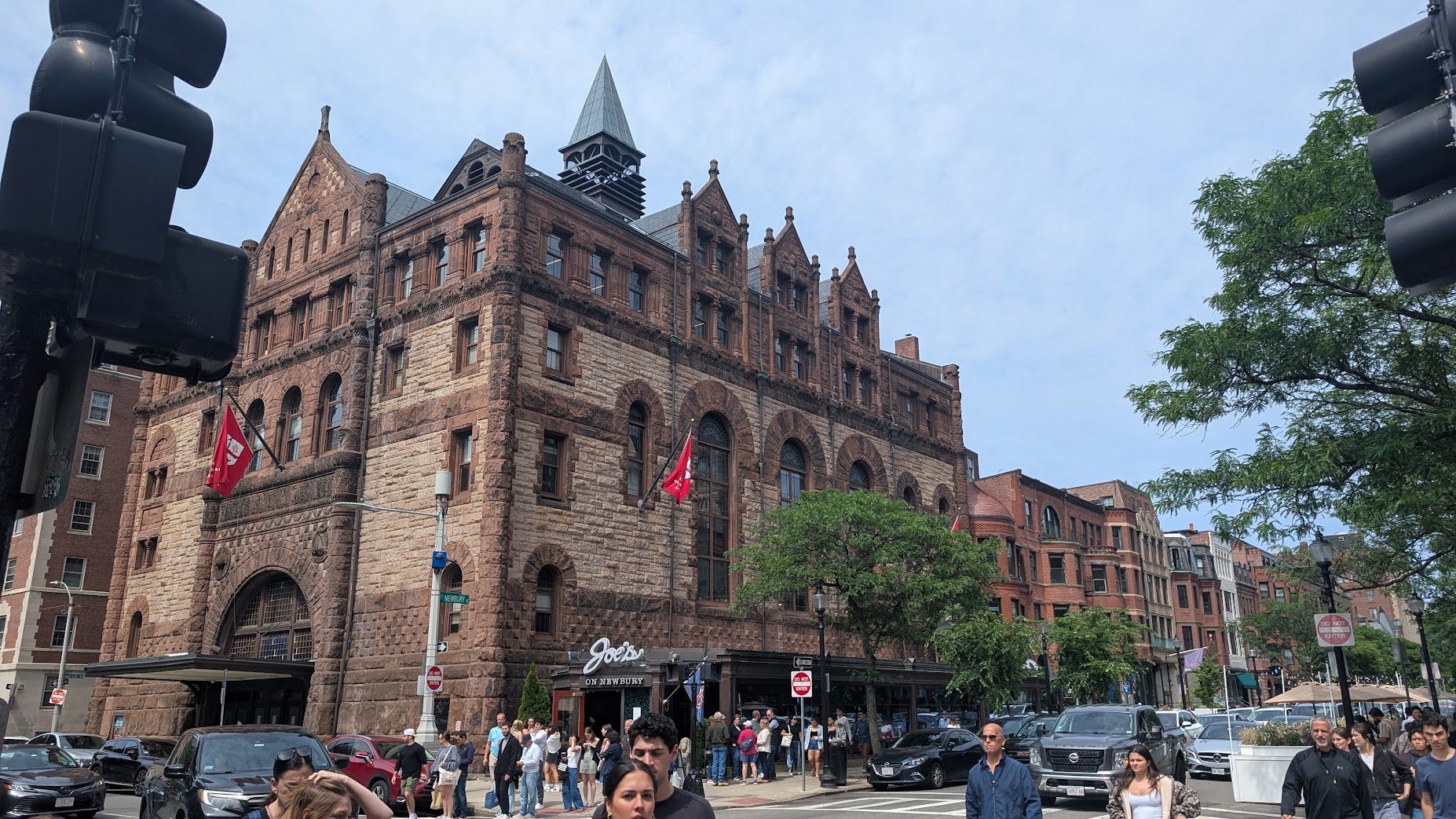
These neighborhoods were safe, clean, and seemingly prosperous, but there was no sense that the beauty of the buildings were transforming the people around them. Sure, the property values of living in these desirable neighborhoods speak for themselves, but these neighborhoods are hardly paragons of what conservative commentators such as Jonathan Pageau would expect.
Am I arguing against beautiful buildings? Hardly. Merely noticing that buildings or creating art does not create or change the culture long term. People may rally around symbols and icons (much of the history of the USS Constitution was about Bostonians rallying to protect the oldest active navy vessel), but normal people’s day to day lives require something with a more active ingredient to change (for the better or worse).