
A major theme of the current presidency has been to use a mix of executive actions and the National Guard (or other Federal military personnel) to enforce goals the Republican Party wants to enact. Worried about crime in cities? Call the National Guard! Want to reduce drug prices? Write an executive order!
Ignoring the irony of Conservative criticism during the Obama administration (specifically regarding the quote, “I have a pen and a phone”), executive orders show how weak the Republican grasp on Congress is and the absolute lack of leadership and vision for the country.
Quick Primer on What the Problem Is
We often hear terms like conservative, progressive, liberal, and libertarian, but a more relevant term for modern politics is “reactionary.” Outside of folks on the fringes of mainstream politics, there has been very little in the way of positive policy since the Obama years. Whether you agreed with his ideas on policy is irrelevant because we are purely talking about putting forward a policy vision not based on reacting to what someone else is doing.
The Tea Party was a “reaction” to the Obama era spending and expansion of government. The Never Trumpers became a reactionary movement to the perceived illiberal policies of the Trump administration. The current movement of conservatism has been the closest thing to having a “positive vision,” but that positive vision seemed to be left behind in the election season (talk of new cities, increasing domestic innovation, and the ideas of a plan for healthcare stopped after the inaugaration).
The democrats (outside of folks like Mamdani) have based their entire appeal to voters on “not Trump,” which, despite his polarizing visage, does not seem to be bearing fruit. The Republicans are currently held in the grip of demagogues like Stephen Miller, who seem to be permanently angry and filled with as much joy as a mosquito.
People are not energized by reactionary politics, and in truth, very little gets done because there is no roadmap for what success looks like. Governors like Glenn Youngkin (VA) and Josh Stein (NC) (whether you agree with them again is irrelevant) at least have a positive vision for what they want their state to look like and have tangible results to show for it.
The Trump model of executive action to try and “make American cities safer” only results in marginal results that are: reversible with electoral loss of the White House, only impact relatively small portions of cities, and don’t make streets safer for driving due to reckless driving.
Let’s examine four solutions I’ve been considering for how the Federal system (if it were not dysfunctional) could incentivize cities to enhance safety for all.
Zoning Standards
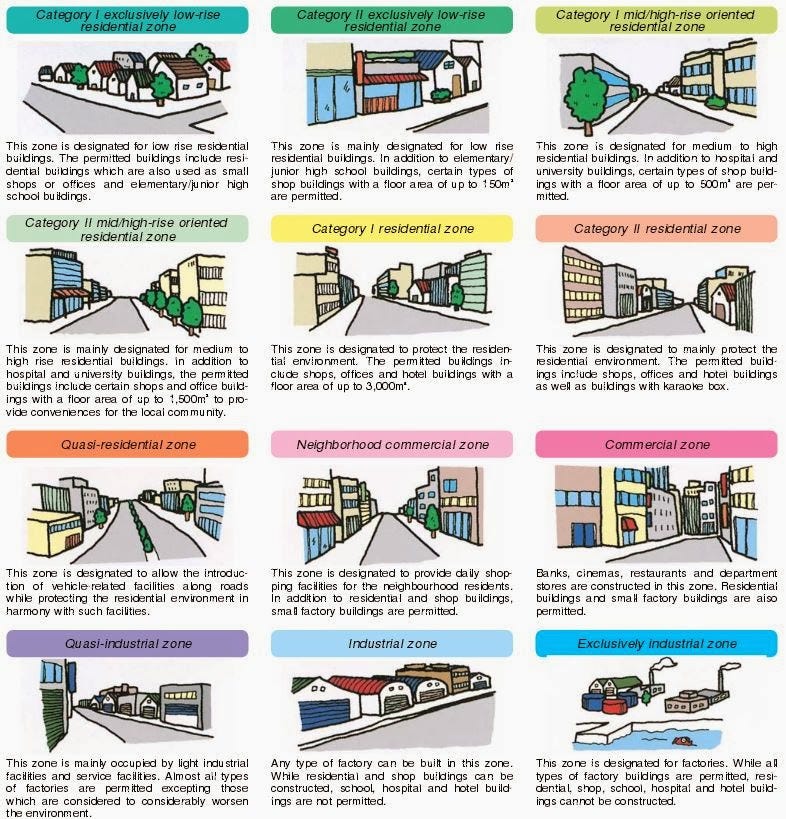
Over the past two years, I have become tangentially involved in local politics and have learned a great deal about the abuses and bizarre zoning practices prevalent in American municipalities. I am of the strong opinion that zoning should be adopted at the national level, and then cities will more naturally grow based on what is viable economically, as opposed to what can be made legally (despite not having product-market fit).
I think we have all seen a restaurant try to take over a space with low foot traffic, insufficient parking, and a small (or too large) dining room, because it is the only viable location they are allowed to operate. We can refer to the demise of small businesses in suburbs that are placed on islands we call “strip malls,” with no foot traffic and often requiring dangerous turns that negatively affect traffic flow.
Our cities/towns/villages are not being allowed to grow normally, which makes them take bizarre shapes and force our current urban sprawl, which creeps into our rural areas, pissing off rural communities without any benefits for them (or the new residents) beyond building more unsustainable sprawl.
Federal Proposal: Adopt the Japanese zoning standards (with some carveouts I can expand on in a later stack) as a Federal zoning standard. Do not make it mandatory, but if a municipality wants to receive any Federal dollars, it must accept the standard. So you may have holdouts in some areas (which is fine), but the vast majority of municipalities will accept because Federal dollars are planned on in almost every project imaginable.
Transit Standards
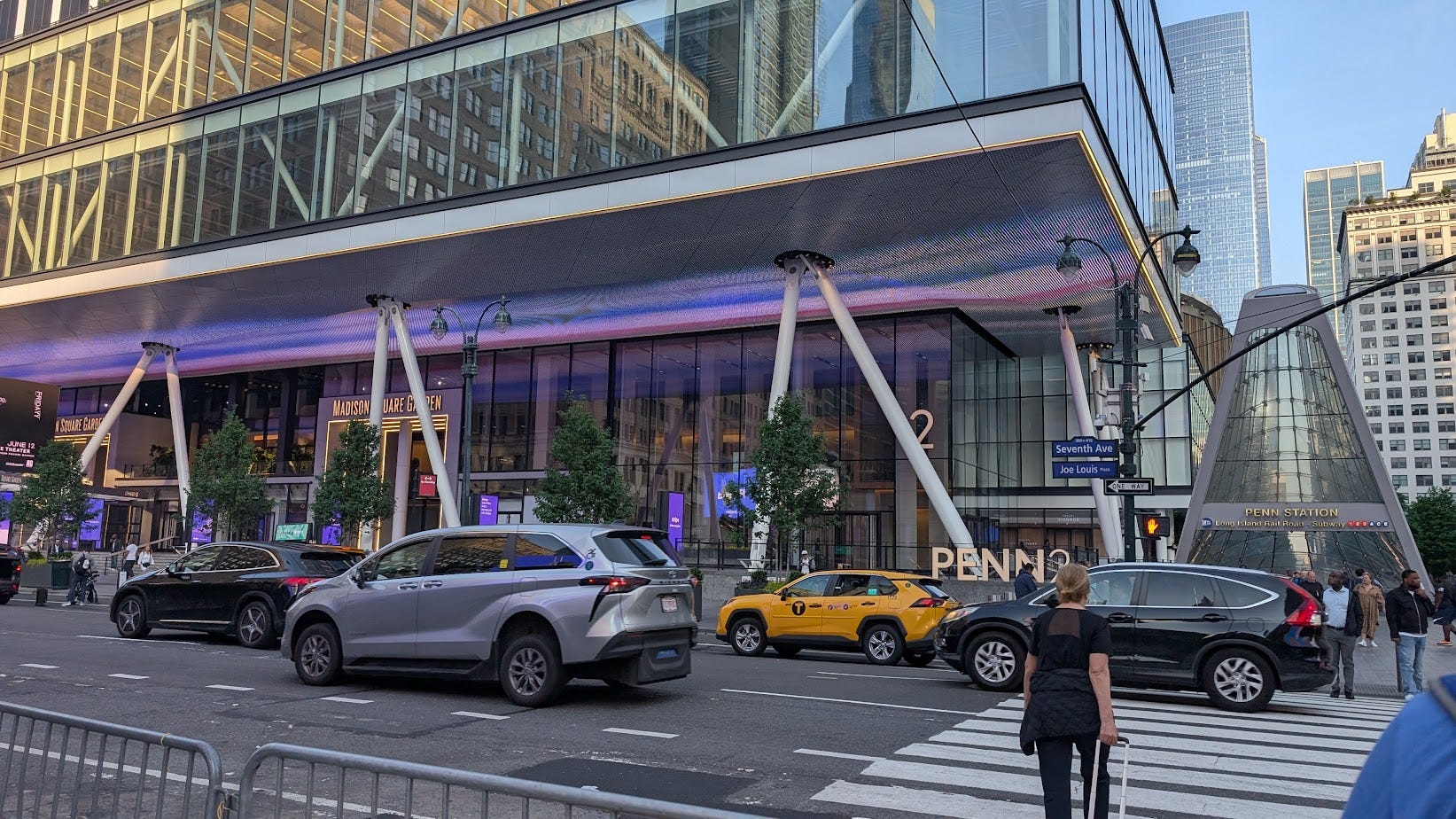
I was originally going to focus on safety standards, but I think we need to be more aspirational in how we fund our transit systems in America. Ultimately, I think Federal dollars should be doled out for large-scale expansions like the Gateway Project (currently being held up by petty politics during the government shutdown). Still, cities need to have better funding mechanisms for public transit.
I don’t think public transit needs to be profitable, but it should be efficient with taxpayer dollars. Cities should work on sending penny sales taxes (or other long-term, stable funding measures) to voters to avoid the funding crunches we see in Philadelphia and Chicago. This program should have several phases.
Phase 1: Cities can qualify for funds to modernize rolling stock, eliminate or otherwise improve at-grade crossings, implement fare dodging countermeasures, and install platform screen doors. Qualification would be based on funding measures currently in place for basic operations and maintenance, current passenger safety metrics, and public safety at stations or rest areas.
Phase 2: Cities can remain qualified for funding if they meet a level of service that is considered safe, efficient, and cost-effective. The funds unlocked in phase 2 would go towards capital expansion projects like bridges, tunnels, or major expansions of service. The idea is to create metro systems that are clean, safe, and convenient, thereby improving ridership by enhancing trust in public transit.
There would be a yearly audit of eligible systems by the Federal government, and the criteria would be transparent and geared towards providing better outcomes for both citizens and visitors. All current projects considered for Federal dollars would obviously not be subject to these new standards, but any projects going forward would.
Vision Zero Pedestrian Safety Standards
While Republicans see public transit as a Communist plot to make everyone live in 15-minute cities, the vast majority of Americans are actually at risk every time they get behind the wheel of a vehicle. I got into this in my last Substack, but “Vision Zero” (zero car-related deaths) should be a national goal, not just a regional one.
This one is a lot tougher to enforce because Federal dollars for roads based on road deaths is probably something that is extremely politically nonviable. I would think that there needs to be the opposite approach.
Suppose a municipality or state DOT wants to implement a road diet or other structural engineering change to improve safety on roads with pedestrians in mind. In that case, the Federal government will provide 75% of the funds. If a state or municipality improves on metrics surrounding car and pedestrian safety, they can be eligible for new Federal dollars related to infrastructure needs.
America 2050 Intellectual Investment Program
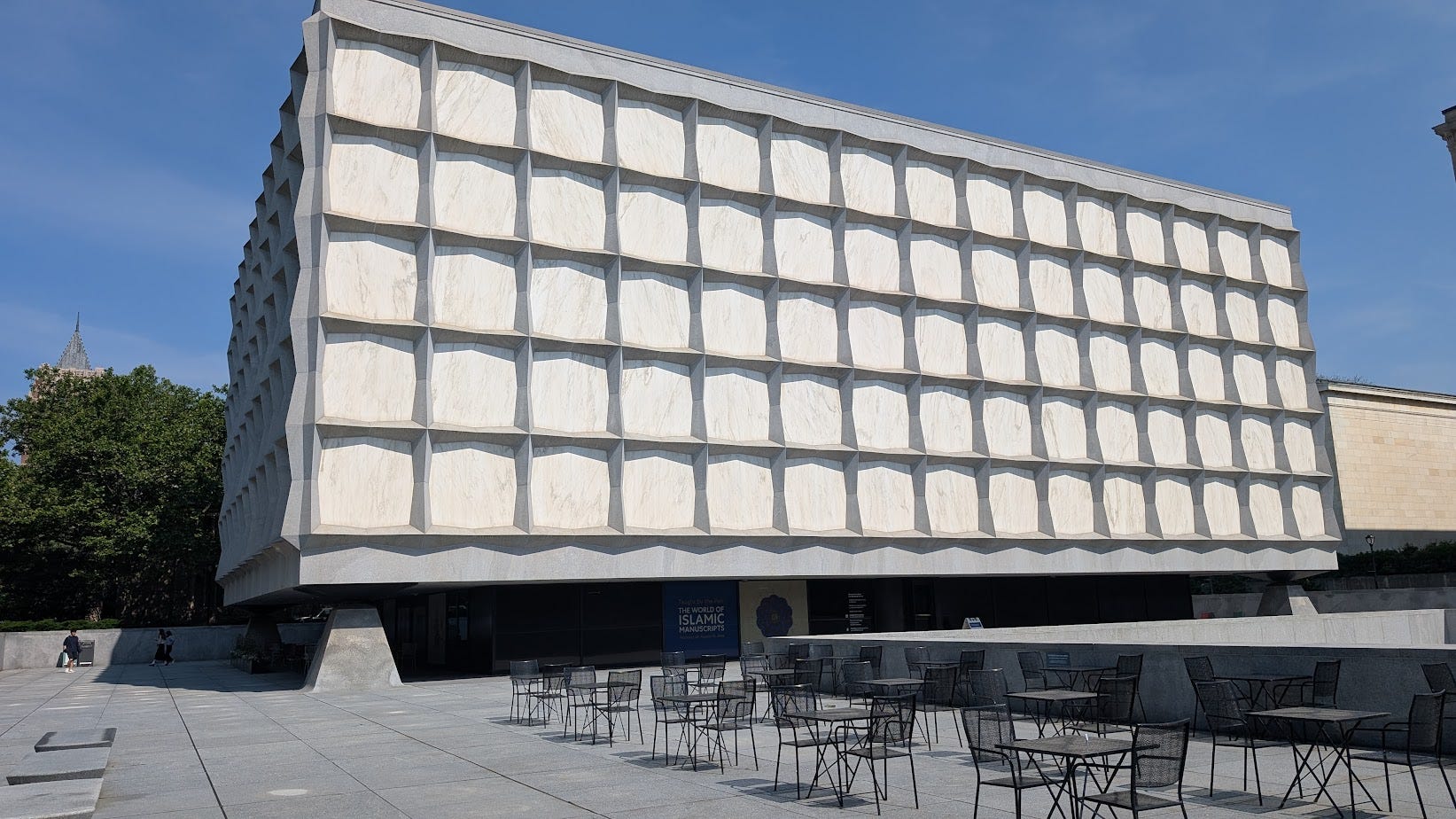
Lastly, there needs to be a beefing up of our in house design/engineering talent at our state and Federal Departments of Transportations (DOT). Project costs often balloon when consultants, lawyers, and everyone else gets a piece of the action and government agencies are essentially powerless to stop it.
I am proposing a fund for states to add current engineers, architects, and other experts that would enable DOTs to bring more design and construction in house to reduce costs and improve our capacity to build faster. There would be a grant program for colleges and universities who offer engineering programs to send students overseas to intern with other countries doing things better than we are so we can take that expertise and expand on it as opposed to paying through the nose for it.
I also believe we need to make a serious investment in our trades programs. I love institutions like the College of St. Joseph the Worker in Steubenville, Ohio, but if we want to reshape our economy into be an economy of builders not lawyers we need to have another 100 Colleges of St. Joseph the Worker.
What additions would you make? Do you have additional fixes you’d like to see implemented?