
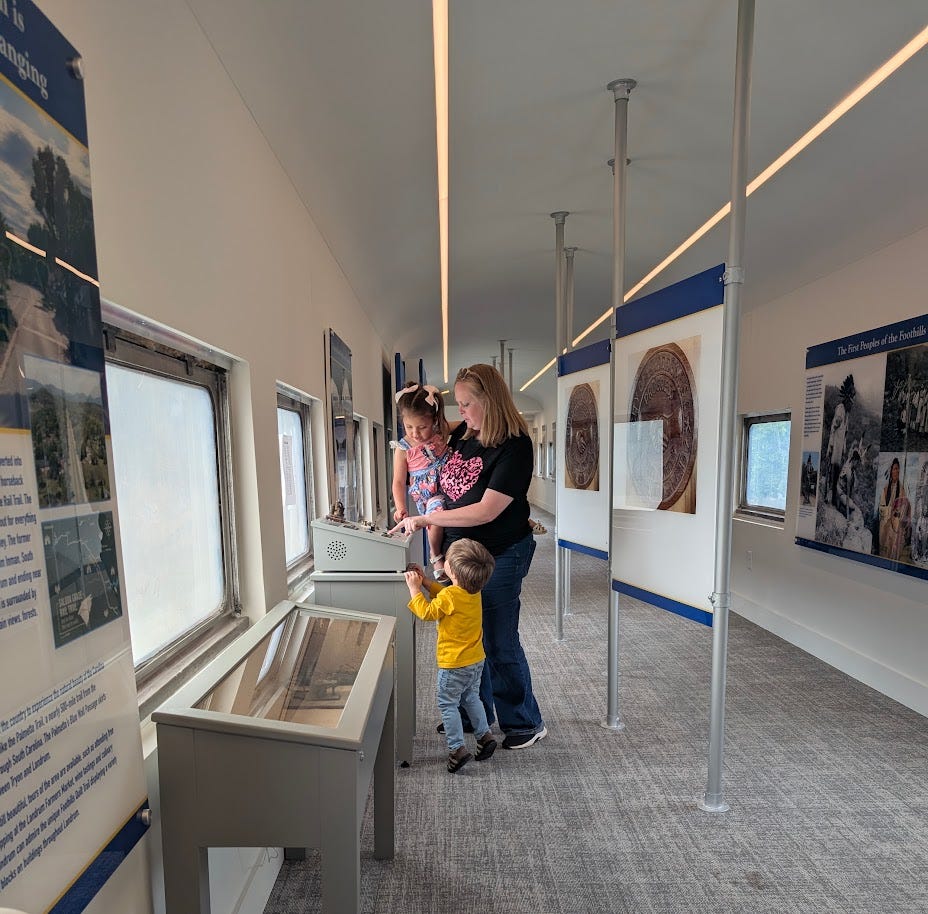
I’m not a parent (yet!), but I do not envy the parents I see having to navigate with kids in an increasingly overwhelmingly digital world. The relative ease of handing a child an iPad or plopping them down in front of a TV/monitor while you take care of business sounds alluring, but nothing seems more poisonous in our time.
These thoughts have been occurring to me as I talk to friends, co-workers, and people in passing about the world, which, on its face, seems similar to the one I grew up in. We had “Smart Boards” in classrooms since Middle School; we were given Chromebooks in High School; we did classes online in college, and I felt like I had a fair shot at learning and retaining information.
Now, I read and hear horror stories from friends who are parents and teachers about the devaluation of education in the modern era.
“How did kids write a 4-page essay and cite sources before AI?” is something that kids will say with very little irony. How did we get here? Is this me being an old man yelling at clouds? What can we see from prior times to both integrate and defend against this potential degradation of human consciousness? What the heck does my title reference?
Sandburg’s House
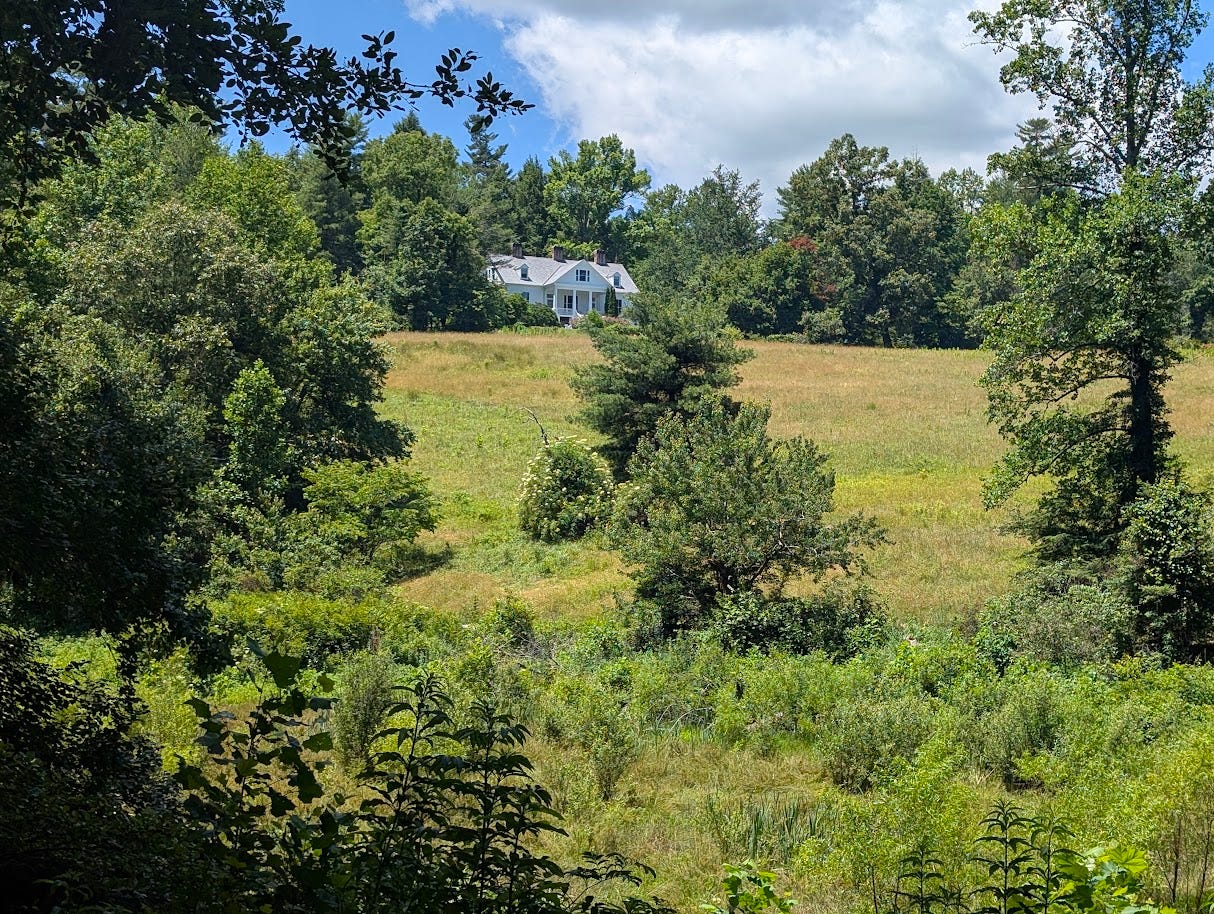
To be completely honest, I was pretty unaware of who Carl Sandburg was and why he had a National Historic Site in Hendersonville, NC when I decided to visit last week. Growing up, I frequently traveled on I-26 and saw the sign for “Carl Sandburg Home Site,” but I never gave it much thought until I realized there was a really cool hike behind his house.
I did a bit of reading about him beforehand: he was a poet, the biographer of Abraham Lincoln, and of Swedish origin, but I was frankly blown away by the house tour.
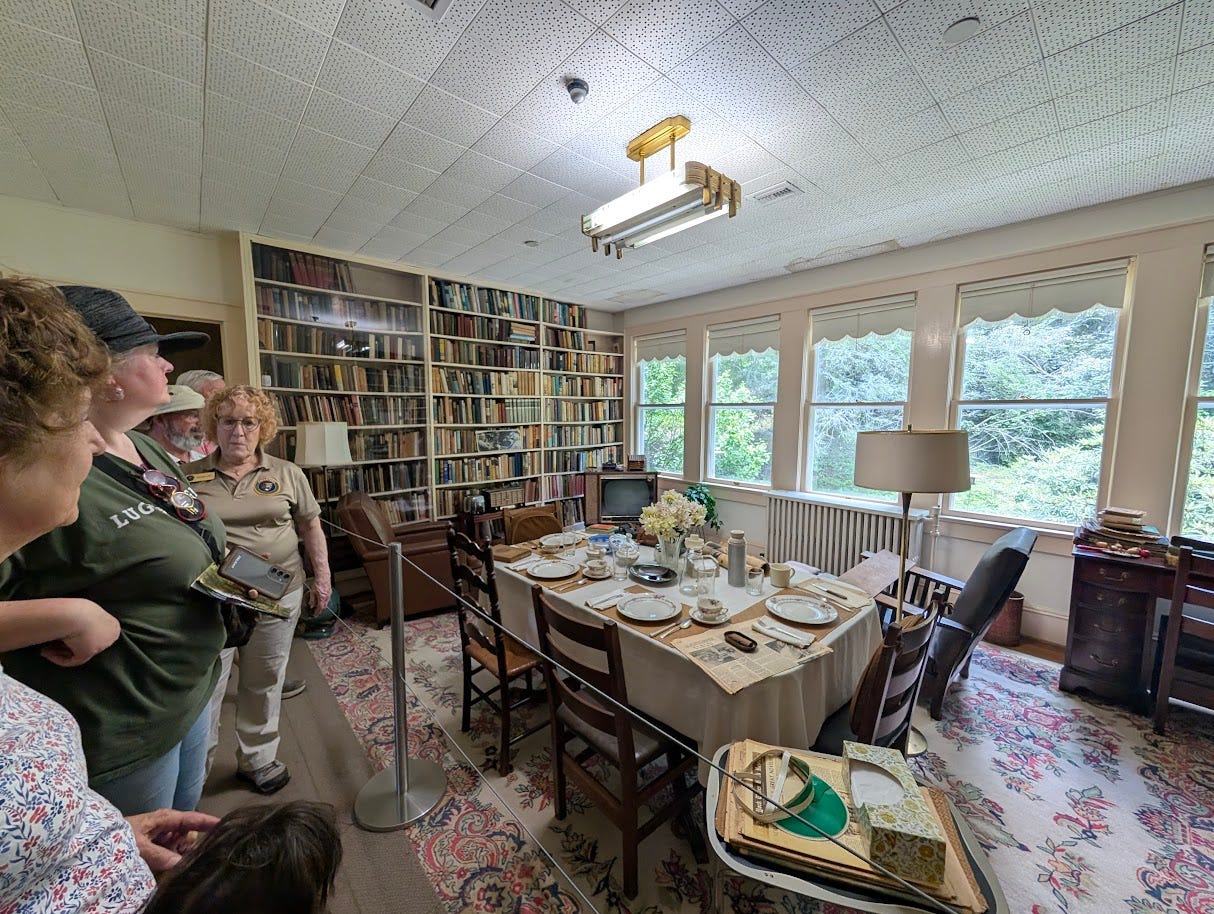
What made me frankly emotional was how “lived in,” for lack of a better word, the house was. Despite owning the house in the second half of their marriage (kids were older and grandchildren were also in the house), Carl never stopped writing, and his wife was busy raising champion-level dairy goats on the farm.
The way we interact with information informs how we build spaces, and it was curious to us that the family had the television set in the dining room and not the living or sitting room. Those were dominated by comfortable chairs, accommodations for cigars, a large Baby Grand Piano, and a place for people to face each other as opposed to screens.
There were books everywhere in the house. My mom often pokes fun at me for how many physical books I have in my room (roughly 600 give or take), but every space of wall was covered in bookshelves if possible. He had books on so many topics that he took pride in reading, not just collecting.
All of this I find very fascinating because he was referred to as “The People’s Poet” for his use of free verse and penchant for plain language while being an extremely well-read man. What does that say about us who would entrust SparkNotes or ChatGPT to do our reading?
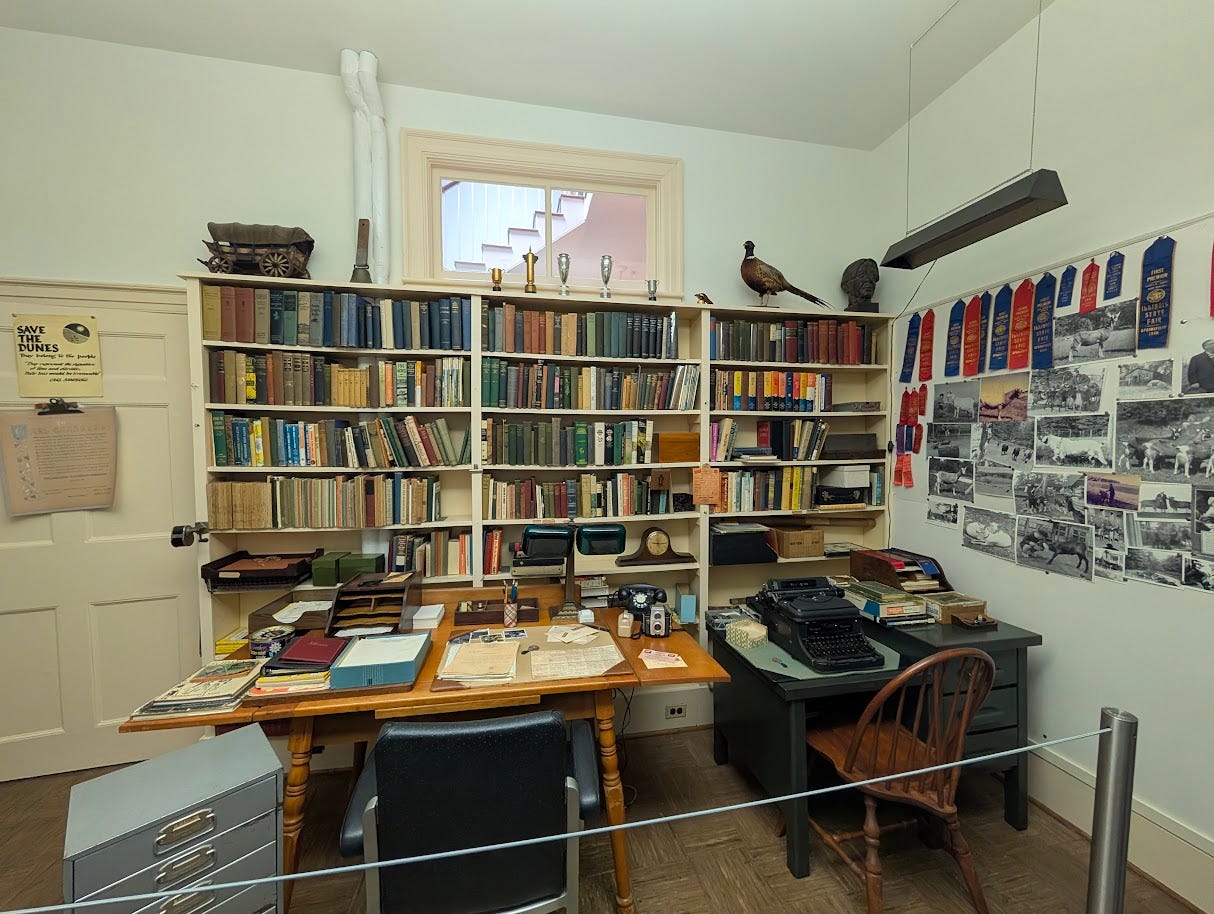
When I say, “lived in” I think it feels as though we no longer are living beings because so much of our lives are not with us in the physical. Our bills and major correspondence arrive digitally, our reference books are apps or websites that come and go, and our communication tools travel with us in our pockets. It would be very hard for a future visitor to tour a modern home today and visually see what the person was thinking just by having their home and environment preserved, as all of the “function” would be digitally long gone and buried with them like the pharaohs of old.
And beyond the visuals, so much of our lives (in the social media age) feel like a stage that we are on every day without a proper intermission. Even if we are not posting to Facebook/Instagram/TikTok daily, people are always expecting to hear from you in ways that simply did not exist before social media. So, there is a constant nervousness about our lives where we feel we have to be doing something notable; otherwise, we are falling behind.
That’s how I often feel anyway.
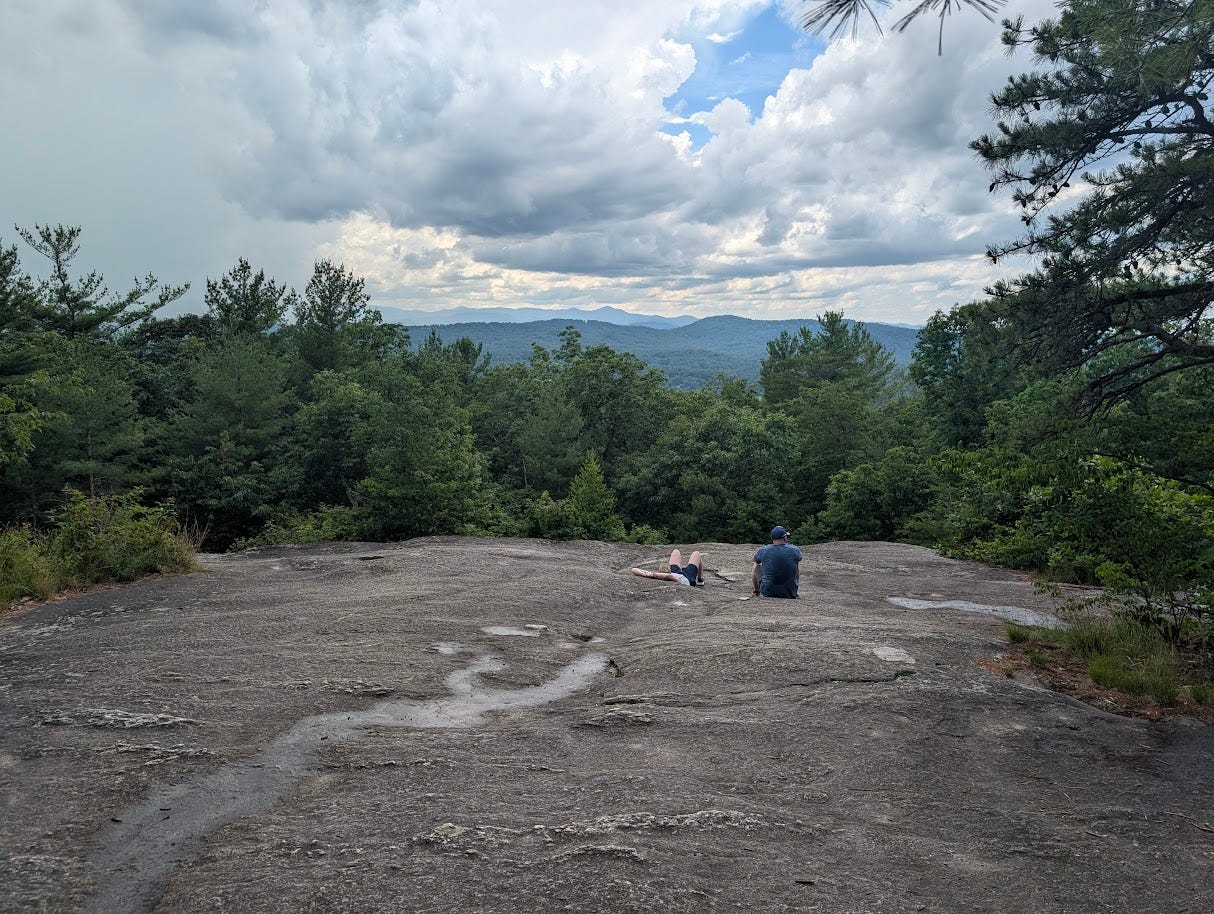
I think the house of Sandburg gives me a proper reflection on why I have a preference for “pre-Google” ways of conversating. If I was on a car ride with the family and Dad asked a trivia question he didn’t have to say, “don’t cheat,” because I had no ability to cheat. If I want to have a conversation with someone to hear their unique take on an issue, I can ask a question without them saying, “Why don’t you just Google or ask ChatGPT?”
Sure, my co-worker can ask ChatGPT, “How do I edit the theme file for Shopify” and get a pretty good rundown, but when I get the message on Google Chat asking me that I get the chance to both bond and explain a bit of my expertise as we share in learning together.
This joy of shared learning can also be less stressful than in a world where you have “no excuse” to get it wrong, so to speak, because you have access to all of humanity’s information at the touch of a button. This can also apply to singing, which the Sandburgs loved to do, dancing, and exchanging stories.
Without the potential of being embarrassed on TikTok or Instagram, you’ll find that people are far more willing to make mistakes and not get chastised as being “unseasoned” or “wrong” because they messed things up.
I love you when you're singin' that song
And I got a lump in my throat, 'cause
You're gonna sing the words wrong
Vance Joy “Riptide” (2013)
On Esau and Jacob’s Struggle in a World of Bible AI
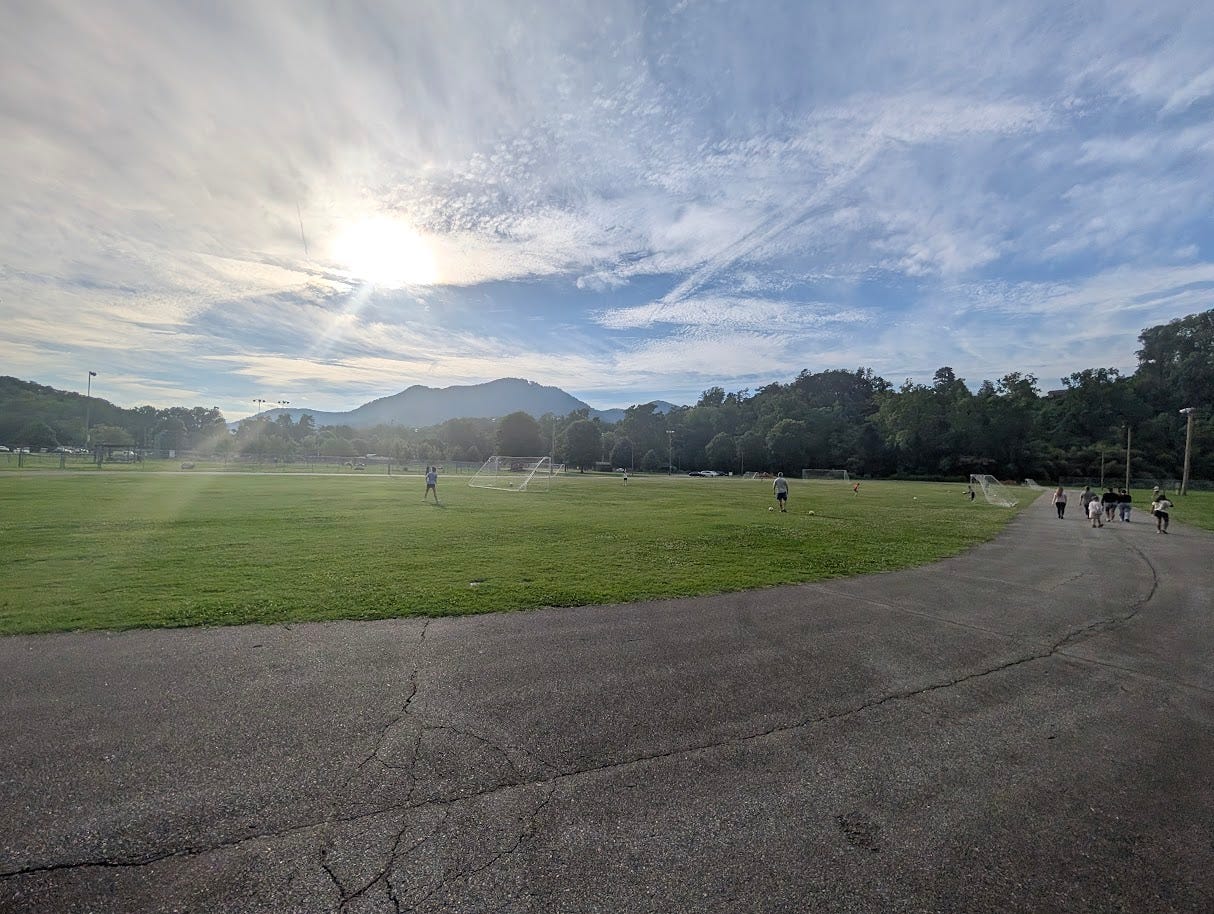
What did I mean by my provocative title and caption? Well, in Genesis 27, we see an aging Isaac preparing to pronounce an official blessing on his offspring. In exchange for some venison (was Isaac a Southerner? I think so!), he promised his eldest son Esau a blessing before he died.
As the story goes, Isaac’s wife, Rebekah, was a meddler who loved her son, Jacob, and decided to help him trick his father so that Jacob would receive the blessing instead of Esau. Now, on the surface, really in bad taste for the duo of Rebekah and Jacob! But in Genesis 25:29-34, Jacob was making sod pottage (stew of lentils or Egyptian beans common in the region) and a very hungry, tired Esau smelt and bargained away his birthright to Jacob because, “Behold, I am at the point to die: and what profit shall this birthright do to me?” Genesis 25:32 (KJV)
For this act, Esau is later condemned in Hebrews 12:16 as profane: “Let there be no fornicator, or profane person, as Esau, who for one morsel of meat sold his birthright.”
Harsh!!!
But as I see conversations unfurl about “the future of work” or “the future of human cognition and learning” or “AI-created art,” it is hard to see it as anything but humans selling our birthright (cognition, creativity, and expression) for a pot of beans (efficiency).

This is not a strictly “anti-AI” post because, like most “knowledge workers,” I incorporate it into my day-to-day work, but I find that the efficiency gains AI is often lauded for come at an incredible cost to my ability to think.
Artificial Intelligence (or, as a friend has deemed it, Infernal Intelligence ‘II’) calls to me like a siren in a fairy tale, to cast upon it my heavy burdens, and I am lulled into a sleepy state of mind.
The scariest part is, I feel that I am very well prepared for the dangers of AI because I grew up with the internet and am relatively immune to its worst pulls, as I’ve lost the novelty of innovations such as short-form content (reels), photo communication (Snapchat), or falling for inflammatory false information (rage-bait).
What will the kids do who grew up with an iPad in their hand from birth and never had parents tell them to, “turn the computer off and go outside” because that would be seen as child abuse? What will become of the seniors who are fed constant low-quality information via reels on Facebook or TikTok that have no other recourse for spending their time due to being abandoned by their family and society and are low on mobility?
How will our future humans learn the art of being bored?
What is the Future of Boredom?

The art of being bored is one that I often see people brag about in nostalgia posts on social media, as things we did instinctively form a sort of “shared consciousness” because we all grew up with limited options of things to do.
You will see people talk about “watching raindrops race along car windows on road trips” or creating nonsense games that made sense to them to pass the time. Boredom is the greatest creator of culture as that is when your mind is allowed to think, wander, and process things you have done or the world around you.
Do you think Billy Joel writes Piano Man if he’s not people-watching in between playing piano sets? How would someone come up with the crazy world of Looney Tunes if all they did was scroll Twitter and Instagram in their free time? We know that golf was invented in Scotland because people were bored of practicing archery.
So many great measures of human ingenuity are brought to us by boredom, and it is terrifying that we are essentially outlawing it by common practice. The infinite scroll of social media means there is always another reel ready to keep your attention locked on your phone.
The ever-presence of music via streaming services provides a steady diet of music to dull your thoughts. Netflix and YouTube are always a tap away if you are looking for something to either watch attentively or use as a “second screen” while you scroll on your phone so that your peripheral and actual vision is always entertained.
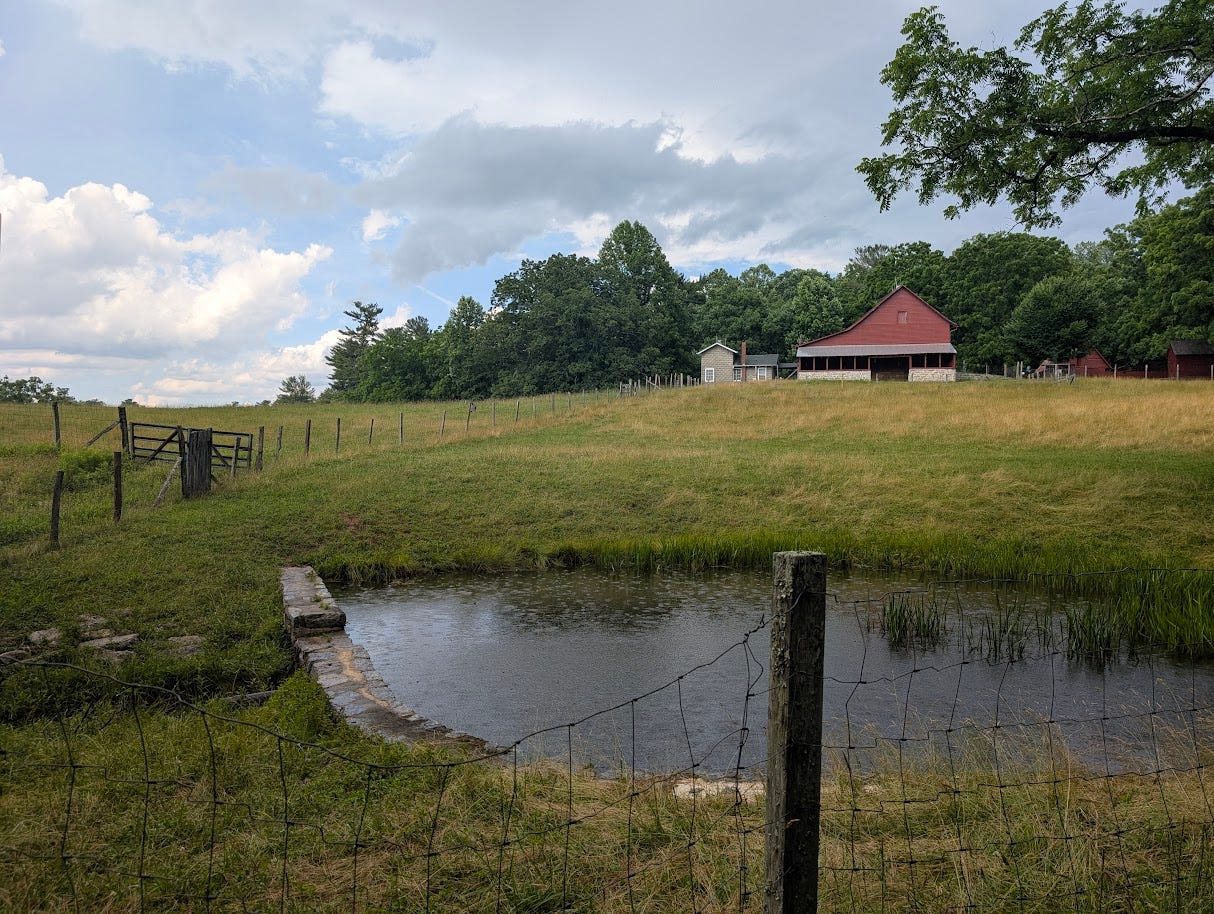
I apologize for being overly depressing in my writing - especially since it has been over a month without a Substack article from me, but I feel compelled to wax poetic.
Do I have a prediction for the future of boredom? Is life as truly bad and scary as I’ve made it out to be? I am not quite sure. I am certain that the pervasiveness of screens at all levels of human development is harmful, and despite efforts to the contrary, progress generally wins out in human history over attempts at restraint.
That said, the physical world is a lot different from the “online world” of doom, gloom, and misery. Sure, I work a fully remote online job, but a lot of people (especially in South Carolina) do not!
There are plenty of jobs that might be taken by AI, but I find it hard to see how a robot could make a more compelling fly-fishing guide than a human. Even as our world is increasingly shunning those who choose to be less digital in their day-to-day (QR Code menus at restaurants, digital tickets for sporting events, unreliable signage as having a GPS is assumed, etc) it is entirely possible to reduce your exposure to the worst of what modernity has to offer.
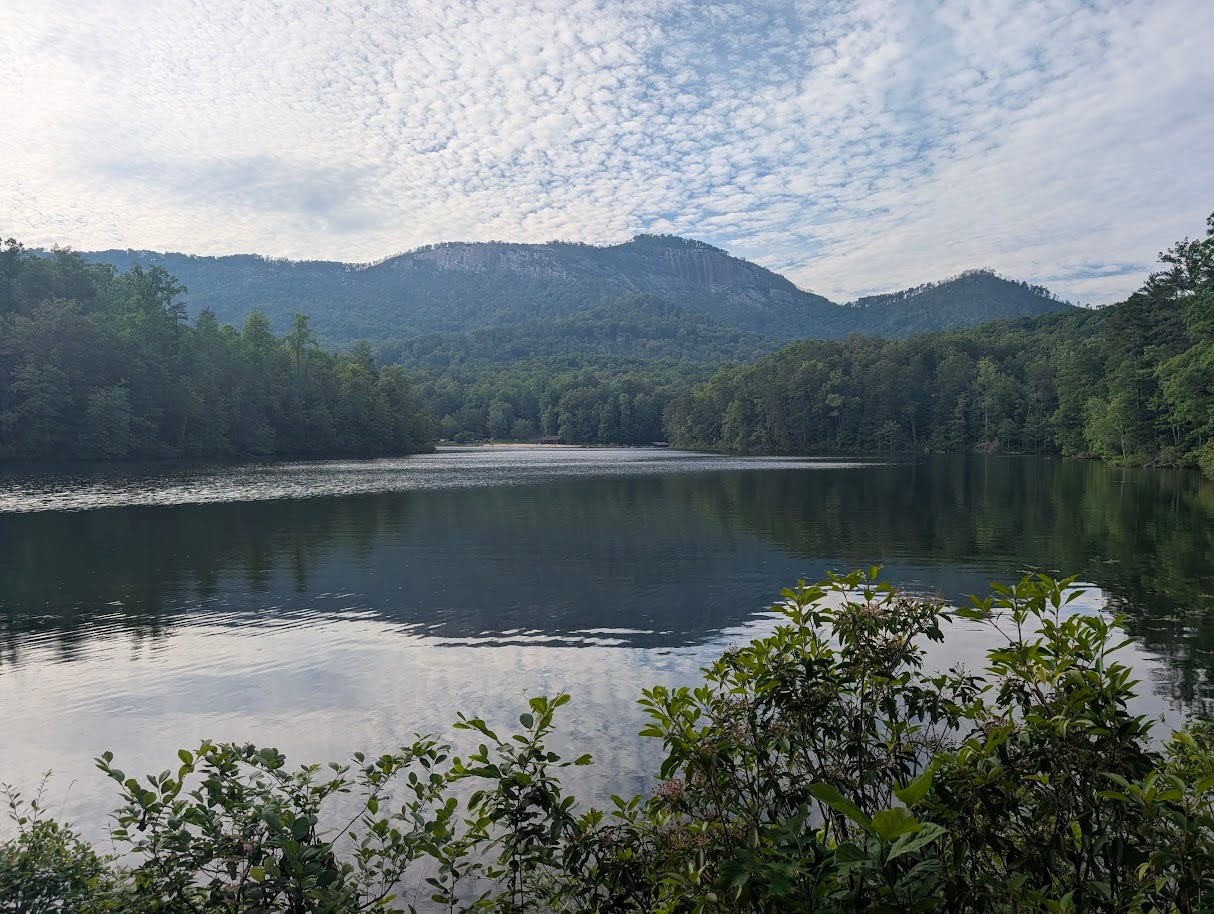
A quick story I learned while hiking Stool Mountain in Table Rock State Park this month was of the modern names for both Table Rock and Stool. Allegedly, the Cherokee believed that God himself would sit (on Stool Mountain) and eat his dinner (on Table Rock), referring to the area as “Sah-ka-na-ga,” the Great Blue Hills of God. Early settlers heard this story and decided to preserve the legend by naming the mountains after this tradition.
Why is this relevant? Well, how do you come up with traditions and heritage like this if you do not take the time to look around you and think? Will you have to hold up your phone and ask ChatGPT to make up folklore for you? Will you even have the presence of mind to do that? How do you plan on passing these traditions down if you do not tell stories or sing songs?
All I prescribe is to continue carving out time to be bored, as that cultivates patience and helps you learn to be patient enough to make your own stew without selling your future to get it.
Great post. I was in a mental hospital in Missouri two years back (a museum). The patients cooked their own meals and built their own furniture. The image of a human having a meal arrive at their front door and IKEA furniture to “build” haunts me. Mental patients 100 years ago could build furniture and now I can vibecode a website. I’ve been thinking about technology a lot this year. I started the year thinking tech was value neutral and AI was just a tool, but the longer I stare (and the more it stares back)… the more I have come to believe you are correct with the story of selling a birthright.
Something has been lost in the last seventy years. I do not think it is just a generational divide. The digital forms us and I have yet to meet someone that has been formed by and in the digital that I would hold up as an exemplar. The people that I treat as shining stars on the horizon to move towards are all incredibly physical human beings.
I think you’re onto something.
Great essay Zeke! Of course I am very partial to the subject. Table Rock and Stool Mountain, you say? It’s as if people have been invited to commune in a way that doesn’t abdicate their birthright. That’s what Esau did, he willingly abdicated, for appetite. Symbolism happens.
( The term abdication is reserved primarily for those given divine responsibilities)
Keep those eyes open! Great work.