
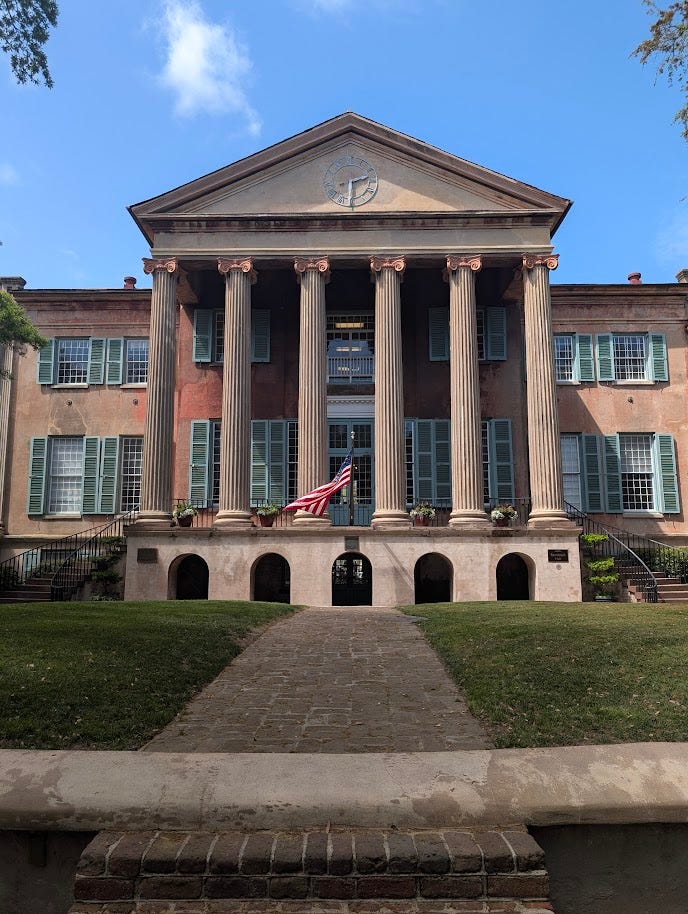
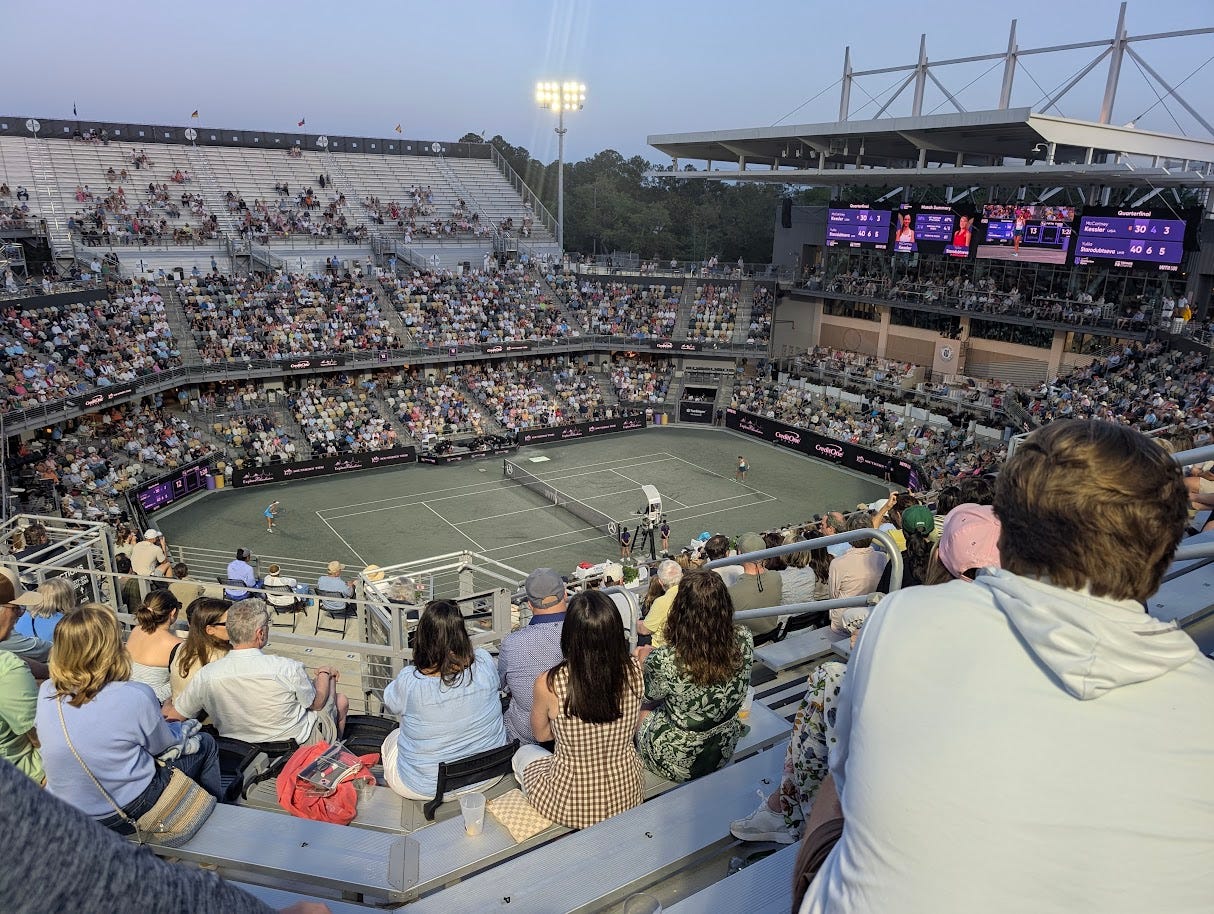
While it is not a true “tradition” for me, I have always looked forward to the Credit One Charleston Open (America’s largest women-only tennis tournament) as it marks the beginning of spring and has held great memories for me over the years. Now that I’ve left the Lowcountry, the tournament has become an easy place to rally together with friends in a great sporting environment.
As I’ve left Charleston for the Upstate, I’ve noticed that every time I visit, things rapidly change. This is not a piece against change, mind you. Change is inevitable. Cities with unique historical charm, like Charleston, Rome, or Casablanca are always undergoing change and that is okay!
The problem I noticed is that the change is not something that adds to the charm of the city’s culture but detracts from it.
Hurry Up and Be Rude
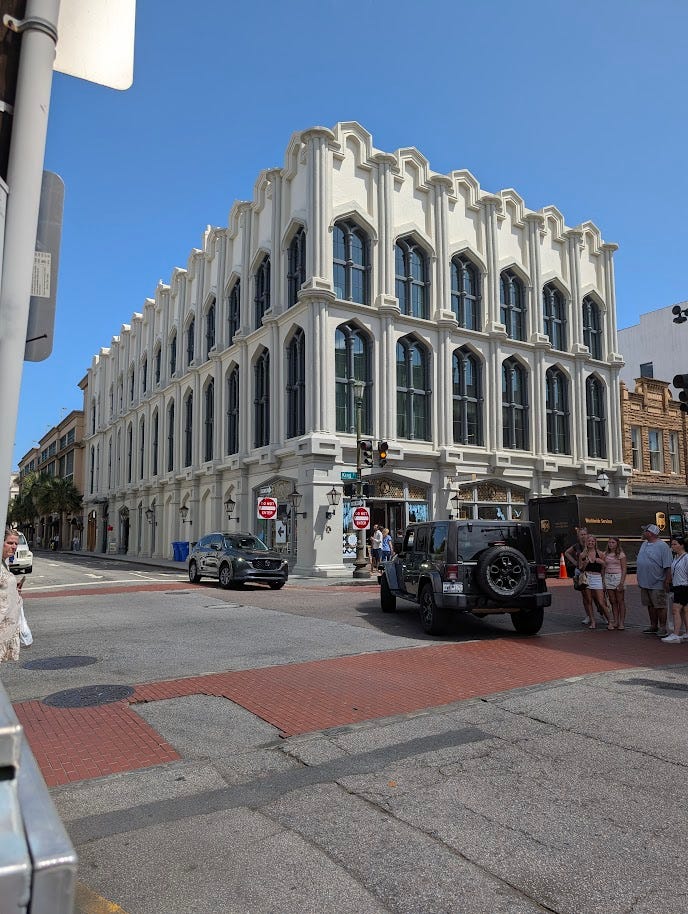
Charleston has generally been a city built on tourism, especially after the decline of the Naval base in the post-Cold War era. Unfortunately, more and more people are moving to Charleston who visit on vacation, seeing the beautiful buildings, meeting the friendly faces, and enjoying the delicious food which has resulted in near constant gridlock around Charleston’s historic core and a decline in Charlestonians.
I will recognize that I am a barbarian of the North by birth. My accent, as hard as I’ve tried, will betray me as coming from New Jersey, but wherever I have lived, I have worked to adapt to the local culture. In Charleston, things are not done at a fast pace and people are often fashionably late as the pace of life is far slower than a New York minute.
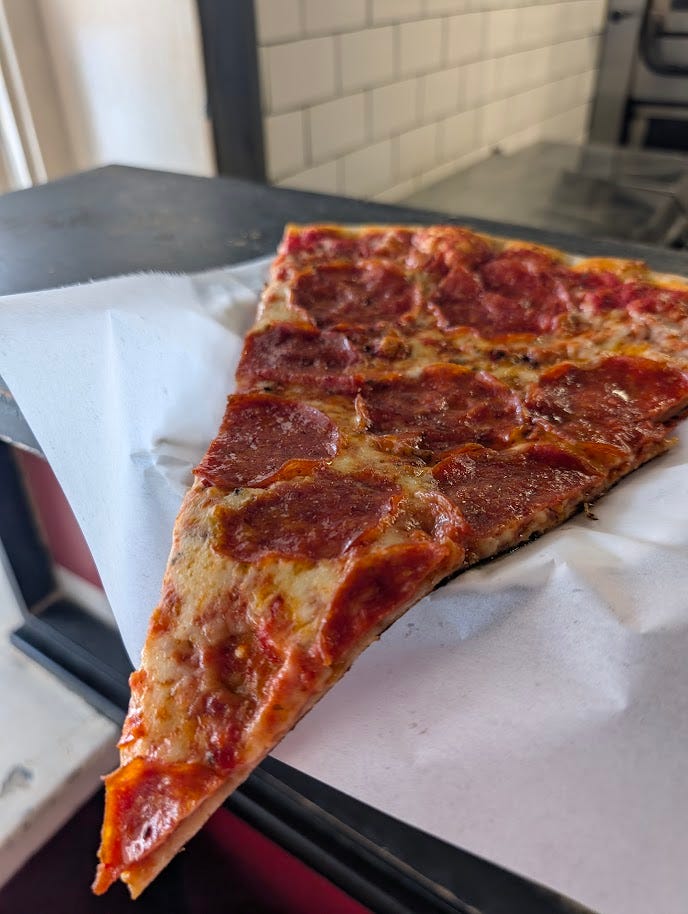
I would not move to the South to expect a great bacon, egg, and cheese on an everything bagel (go to Ruby’s if you’re looking for one), the best dollar slice (not a dollar but Sabatino’s downtown is authentically delicious), or a city that never sleeps 24/7 (even though King Street is lively until the wee hours Thursday through Saturday). I am perfectly happy to partake in our fresh, seasonal food seasons (strawberries, oyster roasts, and softshell crabs to name a few), eschew Wawa for QuickTrip, and trade block parties for bonfires.
Not everyone is willing to leave behind their regional cultures (which is gradually becoming ubiquitous) leading to the proliferation of formerly regional chain restaurants such as (Culvers and Whataburger) and backlash against transplants who complain about the lack of familiar trappings of home.
I could probably forgive the faux pas as both locals and transplants tend to patronize foreign influences such as Cava or Bucees, but the atmosphere of a laid back, coastal town has unfortunately departed.
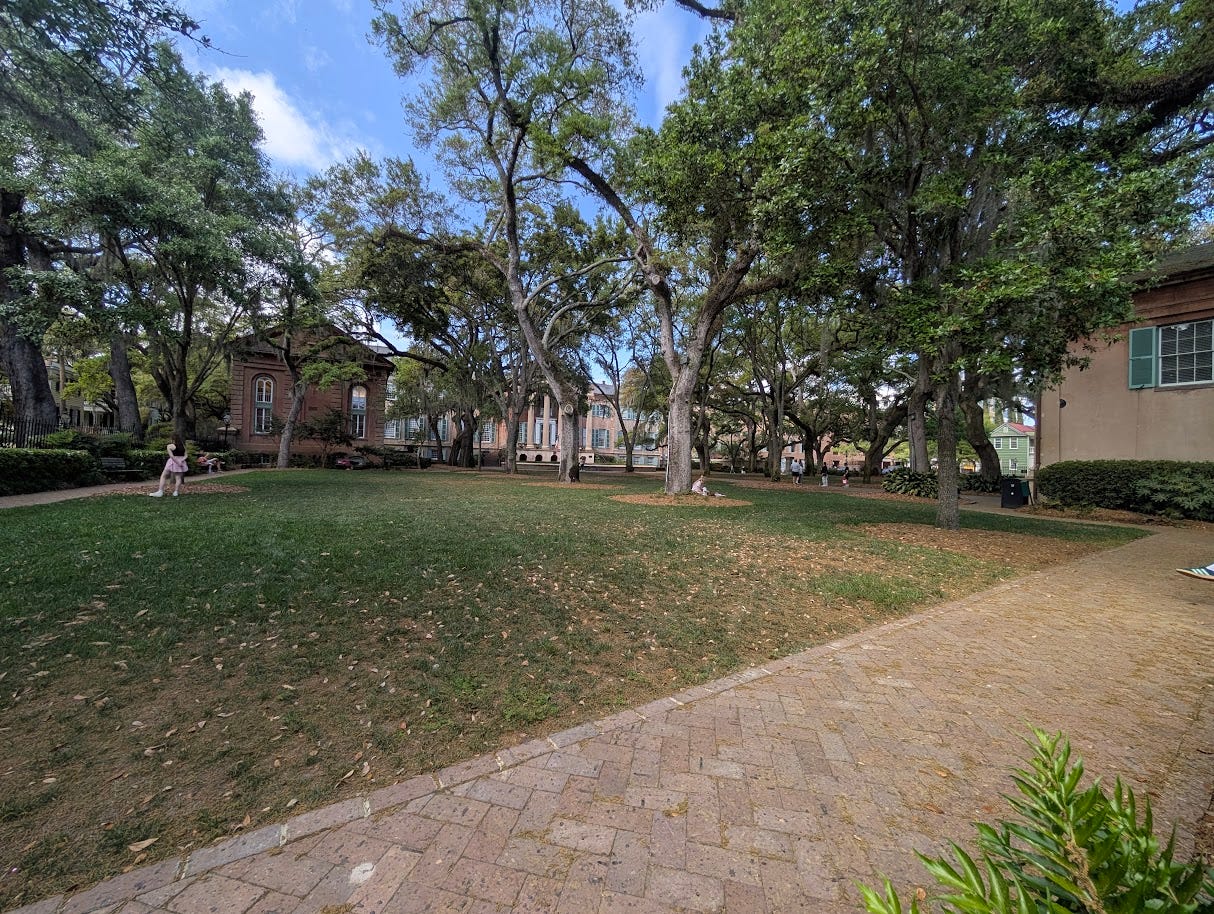
People will complain about stereotypes (negative or positive), but they do tend to be based on some sort of truth. Whatever you feel about the historical sins of the South, there has always been a genteel sort of manner, even in hate (think bless your heart).
While folks from the real Midwest (not Ohio) tend to have a similar enough culture in terms of being friendly and helpful, Northerners and those from the West Coast tend to stick out like a sore thumb. There seems to be a sickness of sorts, as something as simple as a nod or thank you, sir, or any sort of acknowledgment of our fellow humans is no longer something locals take for granted.
So, When are You Allowed to Complain?
As Charleston loses its identity, it has very little to truly show for it. Yes, the port is ever expanding, CHS airport is busy, hotels are popping up like weeds, and CofC is growing in prestige, but the average denizen (especially the one with local ties) has received an ever-expanding rush hour, higher rent costs, and a profound sense of loss that people assure them is unimportant.
To make matters worse, agents of change elected to make things better (think Mayor Cogswell in Charleston) have continued to ignore the needs of the citizen in favor of the needs of the tourist. The beautiful urban density that is a mix of retail and rowhomes that has defined Charleston to the world is eschewed in favor of luxury hotels and low-density projects to appease those who worry about their property values.
Numerous projects that have been proposed have been radically watered down for either cost or complaints about ambition, resulting in a series of future half measures that will not help bring Charleston any sort of relief via typical YIMBY measures. These include but are not limited to: redeveloping the old Naval Base to provide a “downtown” for North Charleston, redeveloping the Union Pier with a dense, multi-use development with a focus on housing, the recently announced surface parking lot conversion into affordable housing near MUSC, and the Lowcountry Rapid Transit (LRT) which is a Bus Rapid Transit project aiming to connect North Charleston to downtown.
Due to the downward pressure of natives who feel boxed out of the world they once knew, their only response to seeing projects that have a positive end goal (increasing supply for transit/housing) is to combat them because as Treebeard the ent once said,
Why should I be on your side when no one is on mine?
This is the taboo part of my thinking that our modern, liberal world (in a classical sense not left/right paradigm) does not allow us to ask. “When are we allowed to preserve cultures/ways of doing things?”
Does a culture have to be X number of years old to be considered worthy of preserving? Does it have to have a certain ethnos or be made up of people that consensus agrees are marginalized?
Charleston’s core culture is hardly ethnic centric. The iconic churches of Charleston betray the multi-ethnic makeup of German, French, English, and African Americans who all made important contributions to the city’s makeup and charm. Charleston culture is something that realistically anyone can adapt to and continue, but the genteel nature of the native meant that the rules were hardly enforced and what was once special is being lost.
Is this a bad thing? I guess that is also a question worth asking. I will always enjoy my time in the Holy City for its still-thriving downtown, beautiful coastline, amazing food, and lifelong friendships that I’ve forged, but it’s like seeing loved ones suffer from a disease and being unable to help them no matter how much you would like to.
Editorial Note: The name of this publication has changed!
I was talking this over with a Charlestonian raised mutual of ours who echoes similar sentiments as your own. My question to him is this: is the problem here described merely a complete inability or unwillingness to serve a telos (in this case preservation of the good of the unique local culture), sacrificed upon the altar of “bottom line go up”? Is that how city planning meetings go? Attention and focus on budget and local economic growth with little to none left over for the very soul of the city?
There is no federal or state law preventing a city from implementing simple, common sense measures.