
America has had a fraught relationship with the things that have made her great. We take for granted that the rural countryside has always been a source of patriotism, rebellion, and American pride, while the cities were dangerous, anti-American, hell holes.
Even just a high-level look at the American Revolution would tell you that it was the great American cities, such as Savannah and Charleston in the South, that were “hotbeds” of anti-British sentiment. While the backcountry was mostly sympathetic to the loyalist cause. While there were great patriots from rural America (a personal favorite, the Overmountain men), the British spent most of their time trying to rule the unruly cities along the coast, filled with contentious merchants and ideological pamphleteers.
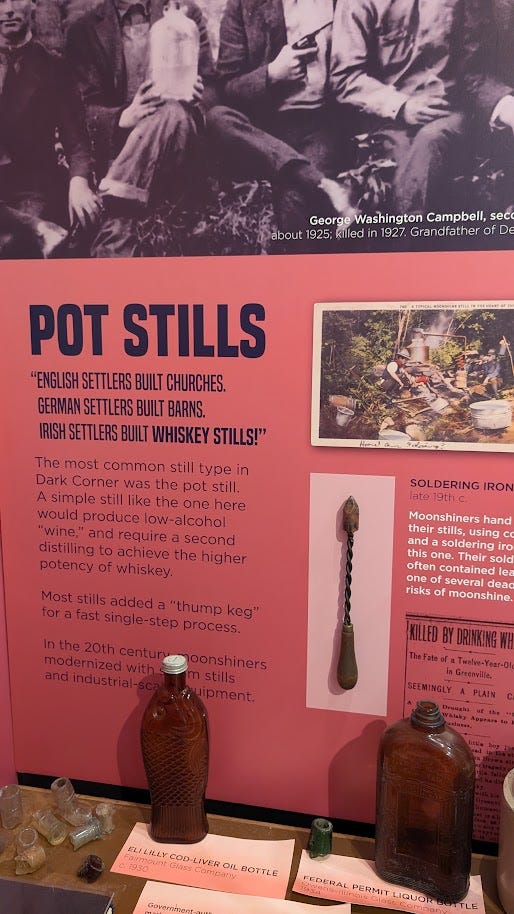
During the Civil War and beyond, the same backcountry here in the Upstate of South Carolina was host to draft dodgers, Union soldiers, and moonshiners who inhabited what became known as the “dark corner,” as their relative distance from civilization insulated them from feeling any sort of connection to the American nation state.
The sentiment of what modern-day conservatism associates with “historical American conservative values” is generally not one of the city but of the countryside and the countryside from the Whiskey Rebellion to the Jim Crow era has long been against any sort of progress imposed on them by politicians in big cities whether they are Republican, Democrats, Whigs, or anything in between.
So, why has this sentiment that is often out of step with mainstream American political identity remained and grown into the vaguely Libertarian Conservative movement today? How have American conservatives largely failed to create cities worth living in despite complaining about how liberals run them? And how do these ideas play out in the rapidly shrinking countryside? Let’s attempt to unpack that.
Fear
Many of those who settled in America's countryside were not concerned with big, intellectual ideas such as “Manifest Destiny,” the “Monroe Doctrine,” or anything you may remember from high school. They were concerned with having enough food not to starve, fighting off hostile forces like the French or the various Indian tribes, and raising a family in non-idyllic conditions.
Such a lifestyle bred very hardy people that would come to define the American West that we now view with nostalgia, but for all of our modern attempts to cosplay as cowboys, we have minimal context into their lives.
The first issue I have with modern American Conservatism is a fear-based approach to governance. Whether it’s a Facebook post about kids riding skateboards or community complaints at a city council meeting over a bike path “bringing in homeless people,” there is a never-ending well of ways that the tiniest bit of progress is going to backfire.
Instead of leading with ideas and a positive vision built on good-faith arguments, conservative approaches have included regressive measures that stifle innovation and development which largely favor those with deep pockets who can afford to wait to build yet another modernist 5 over 1 as opposed to the local developer who would prefer to build something unique if the system wasn’t designed against him.
This fear permeates into all aspects of local governance. You can’t have a nice downtown because downtowns cause crime, you can’t have a rail trail because that causes crime and homelessness, you can’t have public transit because only criminals and the poor use it, and the list goes on and on.
You can trace this fear to legitimate concerns, but not legitimate solutions. The response to the fear is not to be strong or try and improve the situtation of the destitute, but to increasingly avoid even the smallest chance of anything negative happening.
As history is our guide, avoidance of conflict or negative situations is impossible! Despite all of our technological and societal gains, we have created a society of whimpering where our American ancestors rose up to the challenge with extremely inferior resources.
The same settlers and frontiersmen that we praise faced off against deadly predators, native Americans in competition for food and land, and harsh winters or infertile ground without refrigeration, repeating rifles, and government assistance.
Nostalgia
Our nostalgia for the past rarely yields positive outcomes in legislation. Too often, older generations yearn for the positives of their youth, divorced from the negative context.
Say not thou, What is the cause that the former days were better than these? for thou dost not inquire wisely concerning this. 11 Wisdom is good with an inheritance: and by it there is profit to them that see the sun.
The Holy Bible: King James Version, Electronic Edition of the 1900 Authorized Version. (Bellingham, WA: Logos Research Systems, Inc., 2009), Ec 7:10–11.
Without wading into any specific policies attached to the concept of Make America Great Again (MAGA), the biggest problem is finding a specific time when everything was great! The post-WW2 baby boom was a time of prosperity and rebirth for some. However, men were still fighting in foreign wars (Korean Conflict), infant mortality was 31 per 1,000 live births (compared to 5 per 1,000 today), and there were significantly more people below the poverty line. Life expectancy was 10 years lower than it is today!!!
Too often, people predicate public policy on fabled notions like “a man could support a wife, kids, and a mistress on one income,” which is patently absurd. Maybe the upper 10-15% could, but the average person was significantly worse off in these supposed “glory times” that we gloss over because we choose to remember the good over the bad.
There are a million “inconvenient truths” to dispel notions around modern home ownership, birth rates, and economic mobility that I’ll save for future pieces, but the thru line is that we look to the past without understanding it which causes pain in the present and turmoil in the future.
Apathy
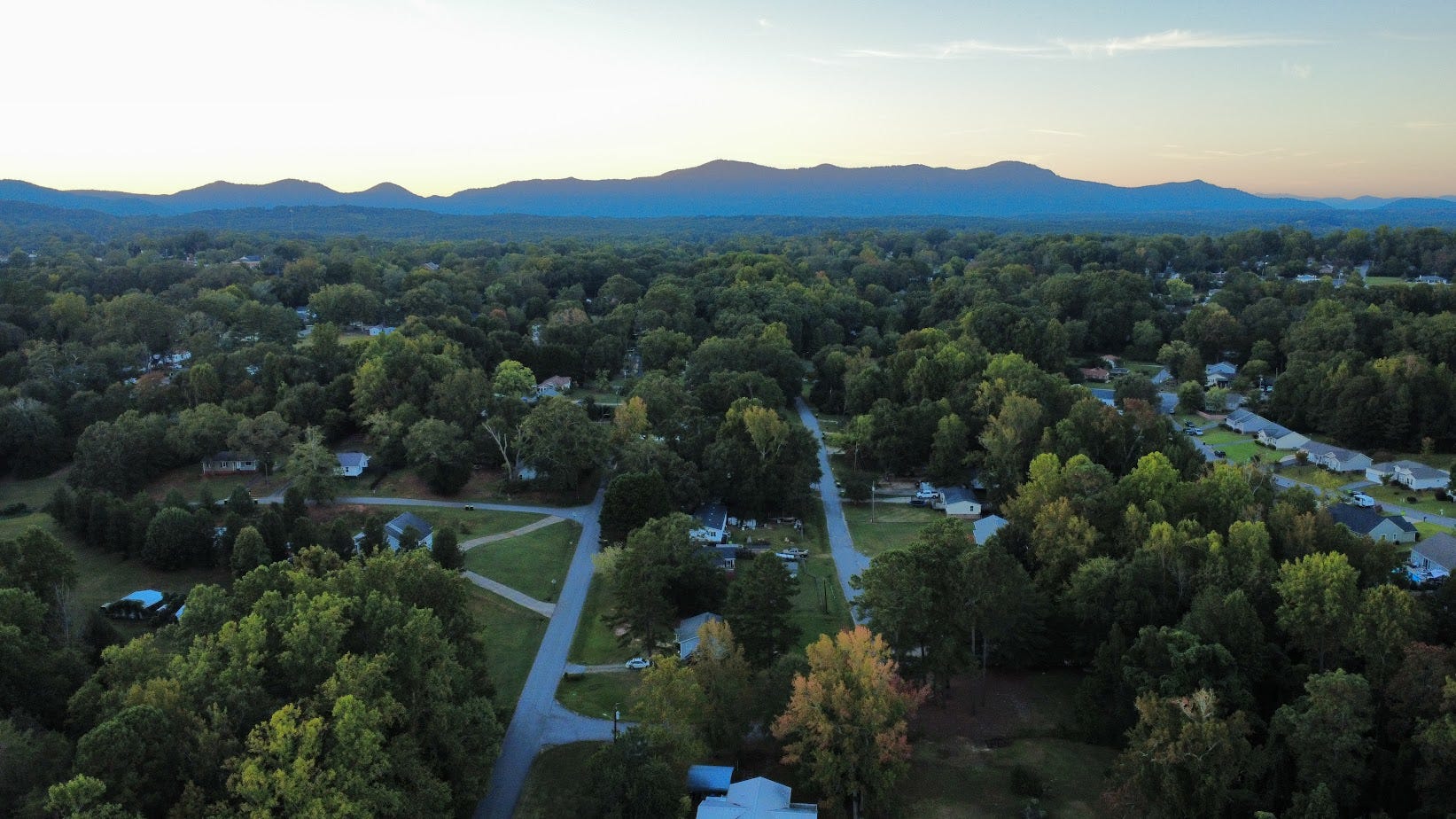
One of my main gripes with modern Conservative thought (minus Trump because Trump is Trump) is a seeming contendedness with the need to change things. They have been content to allow their opposition to run cities and states, no matter how much they complain, because they never run or incubate competent leaders to take their place.
They could not capitalize on angst in California state or NYC mayoral politics because they have spent zero time creating a stable of serious candidates with serious ideas (as much as I and the rest of the internet love Curtis Sliwa).
The largest city run by a Republican (Dallas) is only because a sitting Democrat switched teams. Here in my home state of South Carolina, Nancy Mace is viewed as a frontrunner for governor, which would be a joke if the state were remotely competitive.
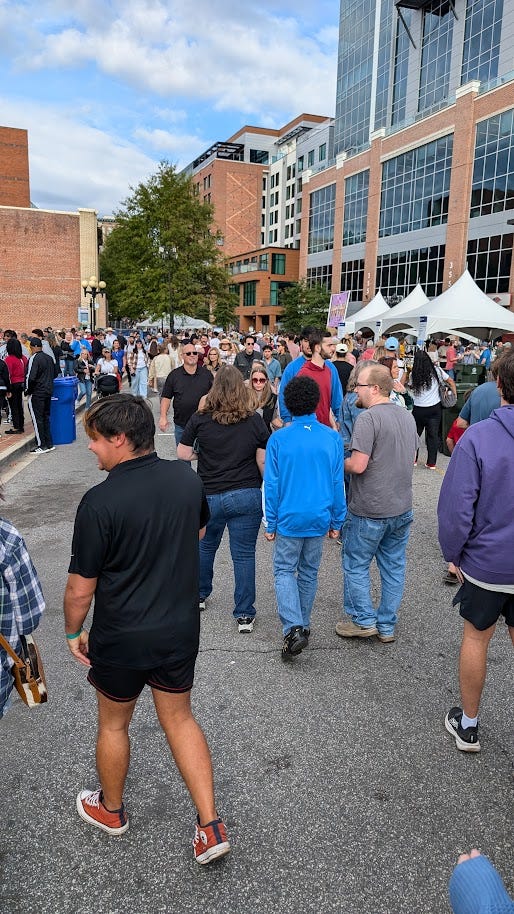
Politicians with a vision and a goal to promote dynamic outcomes like Nikki Haley (former governor of South Carolina) and Spencer Cox (current governor of Utah) are few and are generally maligned by the broader conservative movement because they don’t double down on loser issues at the ballot box.
There doesn’t seem to be an appetite to truly make America great again because that would require creating a dynamic economy that does things, and doing things might require politicians to roll up their sleeves.
Future of Conservative Urbanism
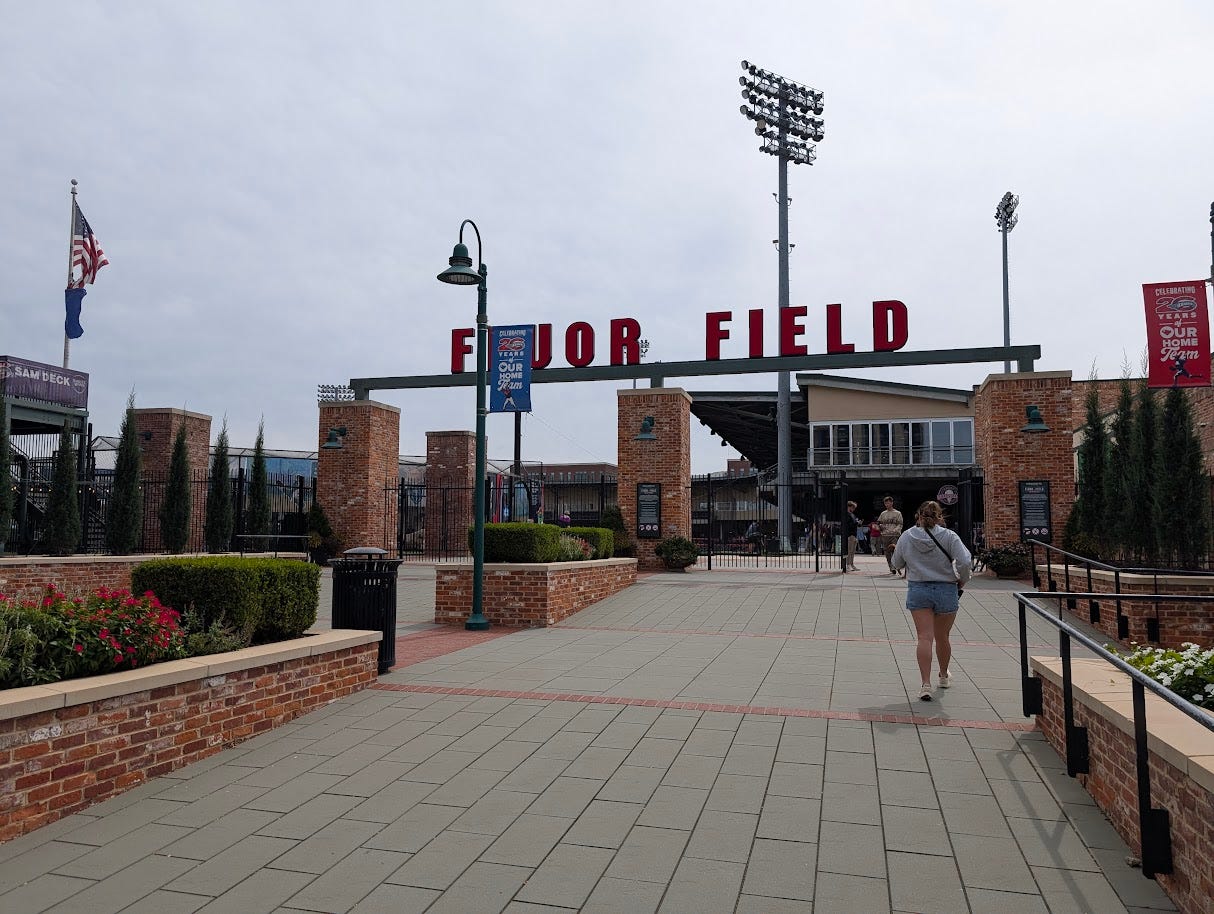
I apologize if this read like an angry rant from a bitter ex, but like Frank Costanza said, “I have a lot of issues with you people!” A special shoutout to Bobby Fijan for inspiring this article that I meant to write weeks ago, but haven’t had that moment of spark to write.
So with all that negativity out of the way, what is my positive vision for a center-right view of better cities? The biggest hurdle that will remain is a broken sense of trust in our culture. Whether it is drama queen college football coaches that break your heart before the playoffs or fellow citizens who refuse to obey the rules of law, there is a distinct lack of trust in our society.
Once that trust gets broken, it becomes incredibly hard to repair, and this lack of trust has fueled Conservative pessimism towards both the city and the walkable environment. Tools like the SUV, single-family suburban home, and private school provide a barrier between those who choose to live in a “high-trust” society and those who seemingly have no desire to.
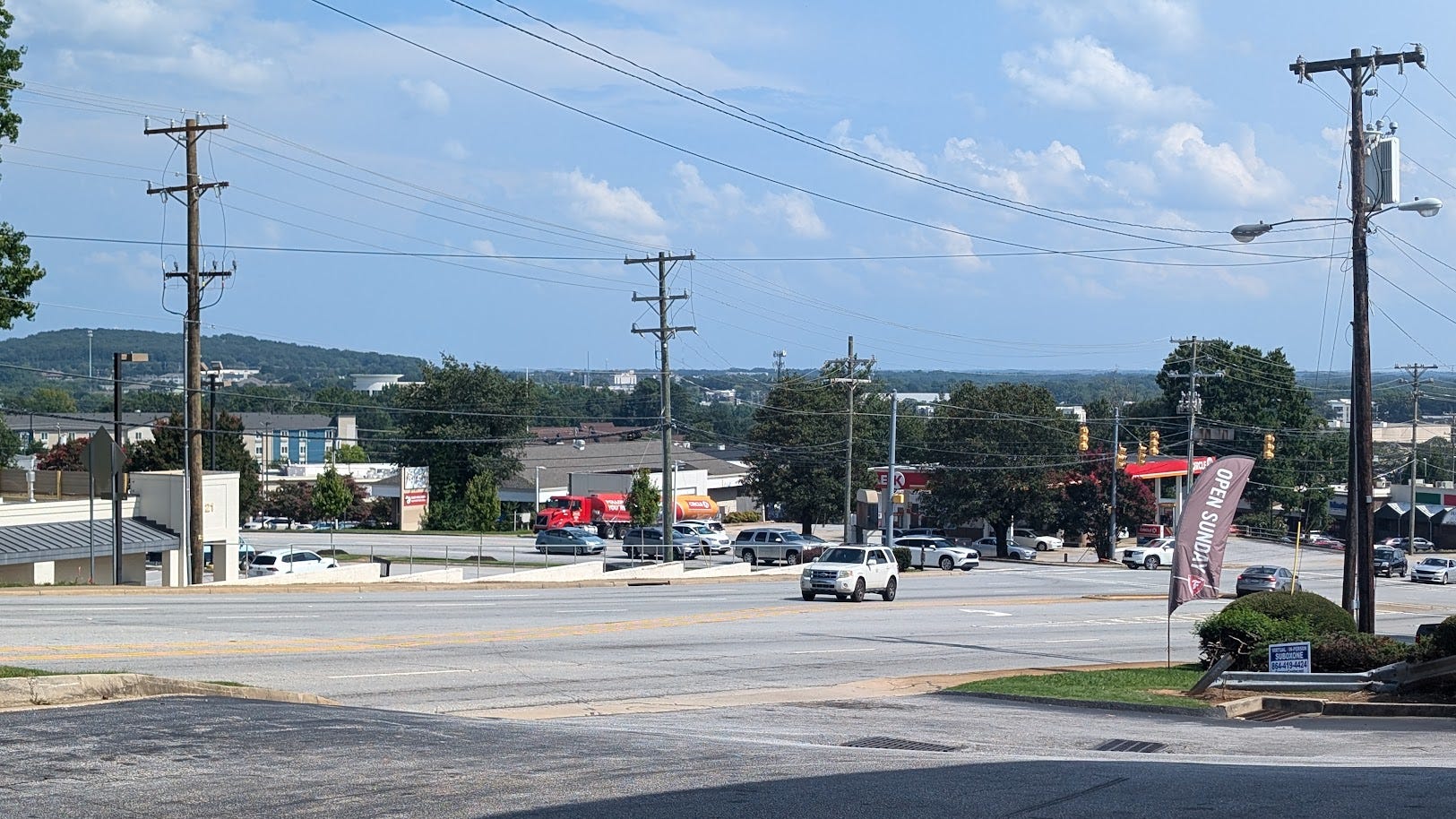
The key factor that has changed minds in some circles is a growing perception around housing being unaffordable due to constrained supply, the increasing encroachment of the suburban slop on rural America, and roads that do not pay for themselves.
For all of the negatives, there have been some great success stories in red-state America. Conservatives’ traditional hatred of regulation has allowed cities like Austin, Dallas, Atlanta, and Charlotte to build a ton of housing supply that can make projects like the Southeast High Speed Rail Corridor and the Texas High Speed Corridor viable in the future (if Conservatives had any vision to build infrastructure that was not highways).
Look for the right to champion: projects centered around civic beauty, like neo classical government buildings and homes built in a traditionally American aesthetic, energy independence projects around geothermal and nuclear, and improvements to the suburbs around adaptive re-use.